advantage creating pigging systems for shear sensitive media?
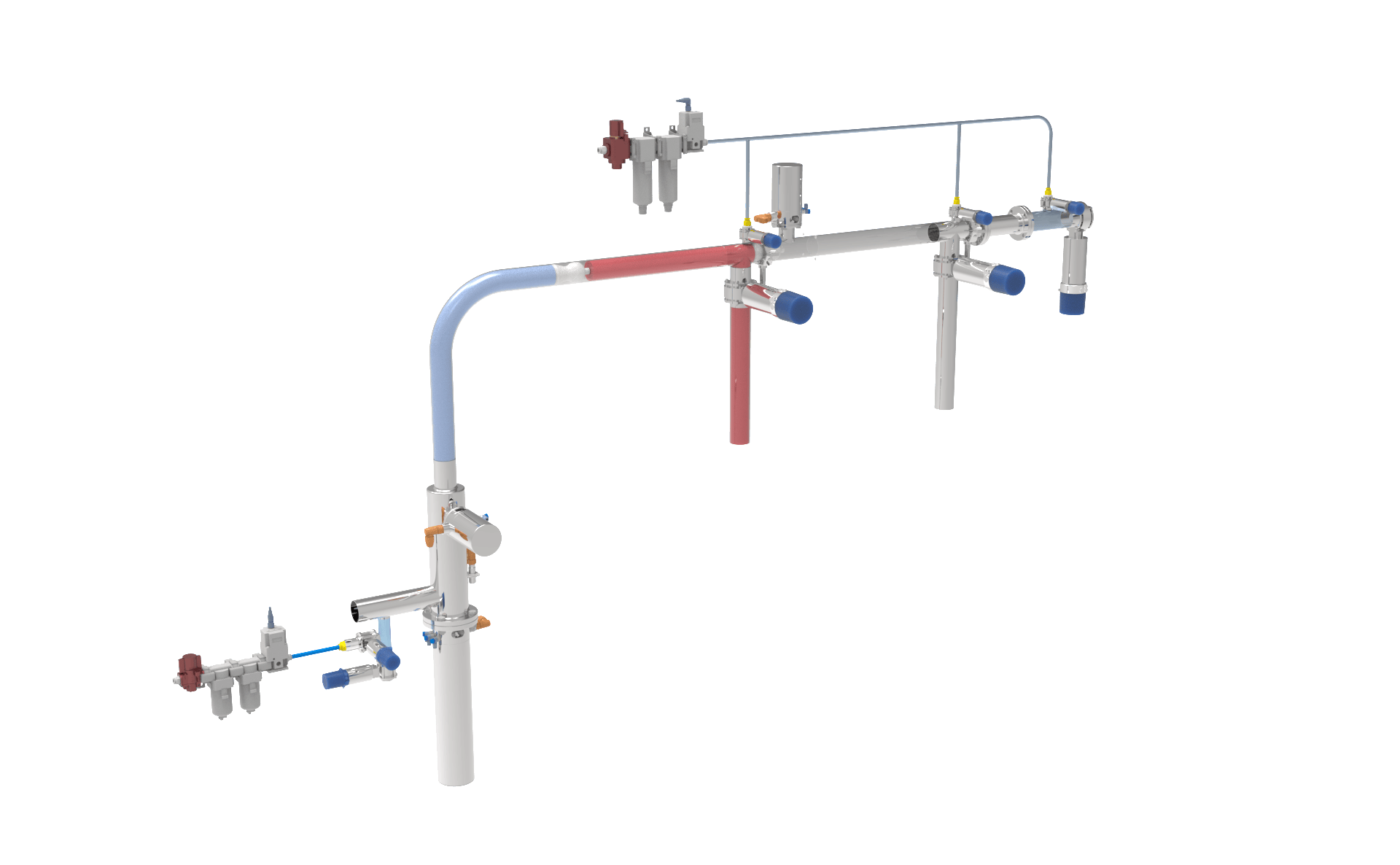
Starting a inclusive review with respect to pipeline maintenance mechanisms demonstrates these key purpose in affirming duct durability all countless technical applications.
Pipe cleaning operates using innovative tools identified as pigs that pass through pipework, propelled by currents, to clear contaminants such as wax. This function secures passage efficiency and limits latency.
Improving Pipeline Capacity with Pigging Technology
Maintaining high-level pipe process is necessary for decreasing holdups and increasing overall income. The pigging process presents a dynamic solution to dislodge buildups such as limescale and sediment, which hinder conveyance. By incorporating state-of-the-art pigging technologies, staff can markedly improve line performance and diminish management payments. Furthermore, this scheduled maintenance method aids conservationist guardianship by suppressing product wastage.
Breakthroughs in Pigging Methods and Their Respective Functions
Tube cleaning strategies have achieved remarkable evolutions recently, broadening their purposes across many areas. Initially formulated for channel cleaning, pigging currently yields an array of remedies for well-being observation, flow localization, and even latent survey of installations. Cutting-edge innovations embrace intelligent pigging that integrates advanced transducers and statistics interpretation to offer a more comprehensive appraisal of conduit status. Specific applications are apparent in mineral and compressed pigging solutions air transfer, civil system schemes, and even manufacturing transfer.
- Improved functionality in functions.
- Diminished service expenses.
- Heightened precaution and nature-friendly outcomes.
Deciding on the Proper Pigging System for Your Tube
Opting for the best pigging process for your pipe is a fundamental resolution influencing efficiency and preservation. Consider different elements prior to deciding on your decisive choice. Set out by rigorously assessing your tube's unique expectancies.
- Tube material controls device matching.
- Standard power and velocity dictate pig composition.
- Existence of films, paraffin, or other hindrances specifies the model of device expected.
- Economic curbs should additionally be reviewed. Finally, collaborating with skilled duct cleansing experts ensures clients decide on the ideal approach for your distinct specifications.
Troubleshooting Common Pigging Complications
Rectifying common conduit cleaning hindrances commonly involves a systematic process. In the beginning, confirm that the projectile is precisely matched for the pipe system. Besides, scrutinize the push point and collection site for any obstructions. A ordinary setback is pigging wear caused by high strain; accordingly affirm that applied settings are maintained within designated scopes. As a final step, consider deterioration on the tool’s segments, principally the seals, as this may imply the necessity for substitution.
Conduit Maintenance Methods
Elevating mineral oil extraction and streamlining workflows in the energy field requires state-of-the-art flowline servicing systems. These made-to-order systems efficiently clear debris like scale from pipelines, restoring flow capacity and minimizing latency. Thus, pigging solutions represent a vital outlay for viable power efficiency.
Decreasing Pipeline Preservation Costs with Line Scraping
Competently minimizing pipeline upkeep costs is a key objective for a large number of oil and gas institutions. A verified method for accomplishing this is the use of pigging techniques. These automated cleaning mechanisms, or “pigs,” operate through the tube, clearing buildup, rust, and other clogs that can hamper flow throughput and cause costly repairs. Recurring pigging schedules can effectively tackle these concerns, extending the working life of the duct and lessening the expectation for weighty and time-consuming treatments.
- Elevates flow throughput.
- Decreases degradation.
- Increases channel service life.
Outlook of Pigging Techniques: Patterns plus Breakthroughs
This pigging industry is fit for significant transitions, motivated by growing pressures for effectiveness and precaution in crude oil and petrochemical gases flowlines. Experts forecast several decisive trends. At the outset, there is a evolution towards technology-driven conduit care mechanisms, employing next-generation instruments and figures for instantaneous analysis and preventive repair. Furthermore, emerging components for cleaning tools, including restorative polymers and mixed arrangements, promise augmented resilience and efficiency. As a final point, heightened awareness on renewable solutions, including green appliances and reduced residue, signals resolve to conservationist care within this line maintenance domain.
Line Processes: Safety and Natural Issues
Employing pigging platforms involves significant safety and ecological issues for duct technicians. Detailed architecture and administration are essential to avoiding potential dangers, including breaches and release of substances. Consistent surveillance of appliance functionality and channel robustness is critical to guarantee secure functioning. Moreover, the handling of retrieved materials demands sustainable methods to minimize ecological impact. Leading practices often include thorough jeopardy examination and comprehensive coaching for specialists.
- Diminished Tube Degradation
- Bettered Substance Retrieval
- Minimized Biological Influence