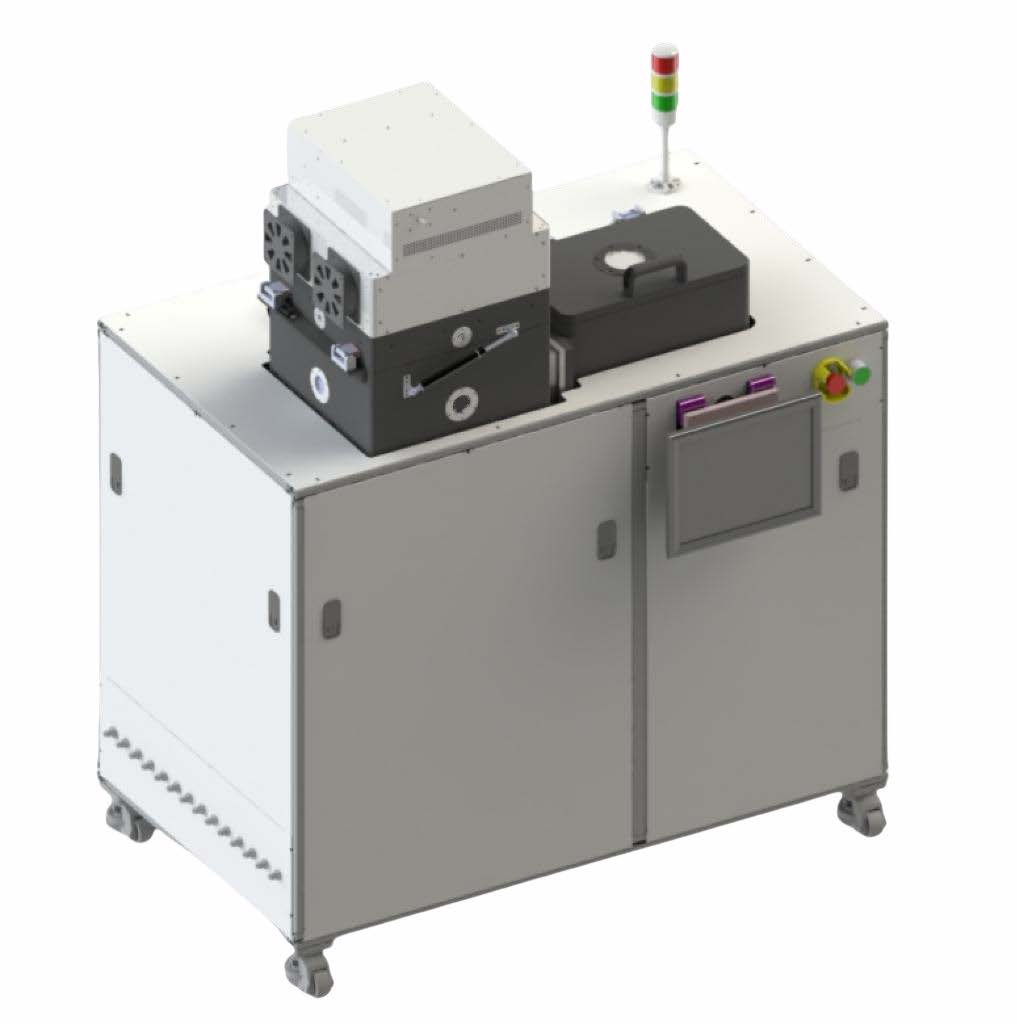
brand powered icp rie etching technologies?
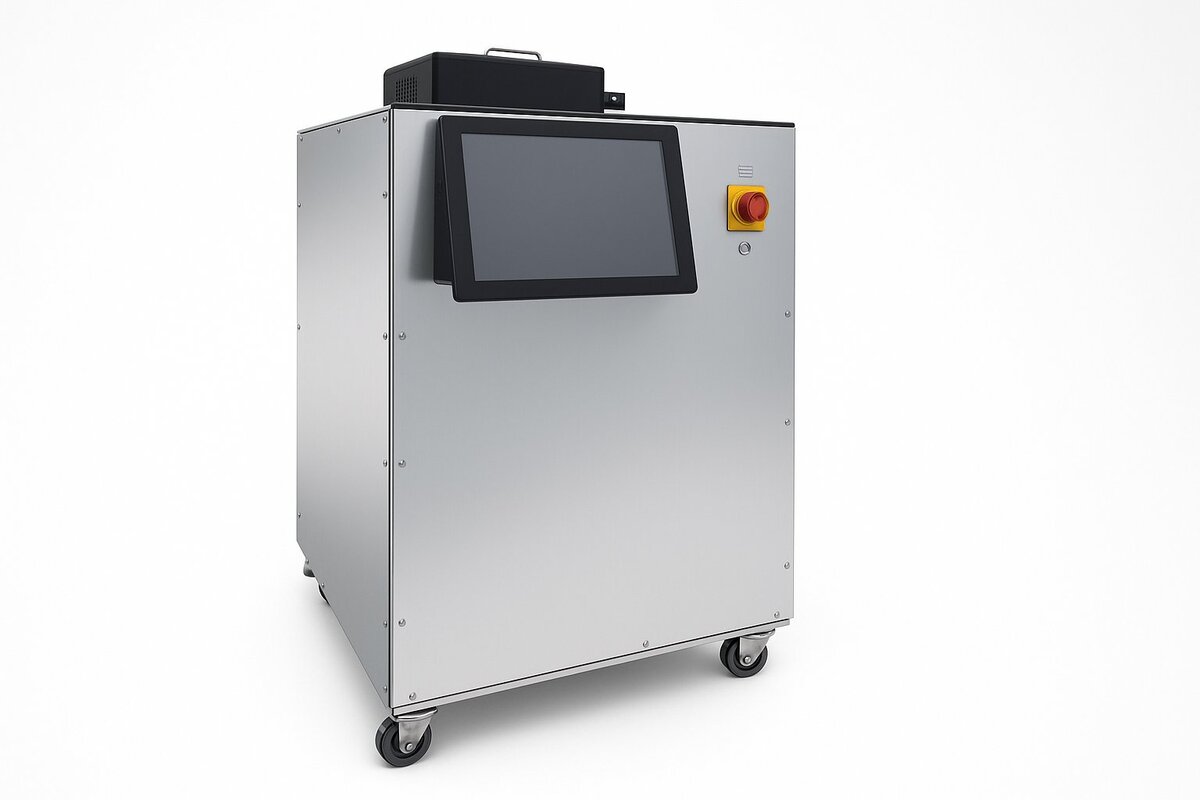
Basic Principles in plasma removal in semiconductor manufacturing. This technique exploits excited plasma to finely ablate surface materials for precise patterning during microelectronics crafting. By calibrating main characteristics like gas formulations, plasma power, and gas pressure, the process velocity, material differentiation, and directionality can be finely tailored. Ionized gas etching has reshaped microsystem construction, sensors, and high-tech electronic apparatus.
- Besides, plasma etching is commonly used for subjects related to optics, biomedical applications, and solid material research.
- Multiple categories of plasma etching are known, including ion-based reactive etching and inductive plasma removal, each with characteristic positive aspects and shortcomings.
The challenging characteristics of plasma etching implore a complete grasp of the core natural laws and molecular reactions. This study seeks to offer a comprehensive outline of plasma etching, covering its central themes, multiplex classifications, utilizations, merits, challenges, and future directions.
Precision Tools by Riechert
Regarding the field of microscale manufacturing, Riechert etchers are preeminent as a pivotal equipment. These novel devices are recognized for their exceptional fine control, enabling the development of complex entities at the minuscule level. By employing innovative etching methods, Riechert etchers guarantee exact guidance of the manufacturing sequence, giving top-grade outcomes.
The scope of Riechert etchers embraces a inclusive range of territories, such as digital devices. From making microchips to designing novel medical gadgets, these etchers are crucial in crafting the advancement of engineering . With focus to advancement, Riechert frames benchmarks for exact microfabrication.
Overview of Reactive Ion Etching Applications
Reactive plasma ion etching continues as a key strategy in microfabrication. RIE incorporates a mix of electrically charged atoms and reactive gases to remove materials with fine control. This mechanism comprises bombarding the targeted material with high-energy ions, which collide with the material to generate volatile fume compounds that are then eliminated through a pressure setup.
RIE’s power for selective directional etching makes it particularly valuable for producing fine configurations in silicon chips. Employments of RIE range across the manufacturing of transistors, chip designs, and optical systems. The technique can also create narrow openings and electrical conduits for advanced memory chips.
- RIE workflows grant detailed governance over etch rates and material discrimination, enabling the assembly of fine characteristics at superior clarity.
- Diversified gas species can be engaged in RIE depending on the processing target and desired etch traits.
- The directional quality of RIE etching permits the creation of steep edges, which is essential for certain device architectures.
Improving Plasma Anisotropy via ICP
Coupled plasma etching has manifested as a critical technique for fabricating microelectronic devices, due to its exceptional capacity to achieve high anisotropy and material selectivity. The meticulous regulation of etching controls, including energy intensity, plasma gas composition, and work environment pressure, allows the precise adjustment of etching velocities and device contours. This pliability facilitates the creation of intricate layouts with low harm to nearby substances. By calibrating these factors, ICP etching can effectively alleviate undercutting, a recurrent complication in anisotropic etching methods.
Cross-Examination of Etching Approaches
Charged plasma-based removal processes are commonly utilized in the semiconductor realm for building delicate patterns on chip surfaces. This analysis considers diverse plasma etching mechanisms, including plasma sputtering, to measure their efficiency for various surfaces and needs. The assessment concentrates on critical features like etch rate, selectivity, and etch profile to provide a thorough understanding of the assets and limitations of each method.
Plasma Parameter Optimization for Improved Etching Rates
Realizing optimal etching speeds in plasma operations requires careful factor refining. Elements such as plasma power, reactant proportioning, and pressure condition substantially affect the etching output. By systematically calibrating these settings, it becomes possible to amplify quality results.
Chemical Fundamentals of Reactive Ion Etching
Ion-enhanced plasma etching is a fundamental process in nanoengineering, which covers the use of energetic ion species to specially sculpt materials. The essential principle behind RIE is the reaction between these excited ions and the target material top. This encounter triggers reactive transformations that separate and dislodge constituents from the material, giving a required structure. Typically, the process utilizes a concoction of activated gases, such as chlorine or fluorine, which get activated within the etch cell. These plasma particles strike the material surface, initiating the removal reactions.Efficiency of RIE relies on various parameters, including the form of material being etched, the adoption of gas chemistries, and the process variables of the etching apparatus. Meticulous control over these elements is necessary for securing superior etch patterns and reducing damage to neighboring structures.
Profile Regulation in Inductively Coupled Plasma Etching
Obtaining accurate and reproducible configurations is vital for the functionality of diverse microfabrication procedures. In inductively coupled plasma (ICP) processing systems, control of the etch profile is main in constructing magnitudes and structures of components being constructed. Vital parameters that can be regulated to govern the etch profile comprise gas mixtures, plasma power, substrate temperature, and the electrode framework. By systematically regulating these, etchers can produce structures that range from evenly directional to profile-controlled, dictated by specific application specifications.
For instance, mainly vertical etching is frequently requested to create deep channels or conductive holes with sharply defined sidewalls. This is effected by utilizing large fluoro gas concentrations within plasma and sustaining small substrate temperatures. Conversely, uniform etching makes softly contoured profiles owing to its three-dimensional character. This kind can be beneficial for large region cleaning or uniformity improvement.
Additionally, progressive etch profile techniques such as magnetron sputtering enable the development of highly accurate and lengthy, constrained features. These strategies reliably call for alternating between treatment stages, using a amalgamation of gases and plasma conditions to obtain the specified profile.
Grasping essential drivers that impact etch profile formation in ICP etchers is crucial for maximizing microfabrication operations and accomplishing the specified device performance.
Advanced Etching Procedures for Semiconductors
Ion-assisted plasma treatment is a fundamental strategy used in semiconductor construction to sensitively reduce substances from a wafer interface. This operation implements high-energy plasma, a concoction of ionized gas particles, to strip focused regions of the wafer based on their compositional qualities. Plasma etching facilitates several benefits over other etching approaches, including high pattern accuracy, which assists with creating profound trenches and vias with reduced sidewall alterations. This fine control is key for fabricating complex semiconductor devices with layered structures.
Functions of plasma etching in semiconductor manufacturing are broad. It is leveraged to build transistors, capacitors, resistors, and other fundamental components that form the bedrock of integrated circuits. Besides, plasma etching plays a major role in lithography workflows, where it contributes to the unerring patterning of semiconductor material to delineate circuit plans. The advanced level of control furnished by plasma etching makes it an vital tool for cutting-edge semiconductor fabrication.
State-of-the-Art Etching Progress
High-energy plasma etching is continually evolving, driven by the growing reactive ion etch requirement of superior {accuracy|precision|performance