client pleasing scalable sanitary pigging networks for multi line plants?
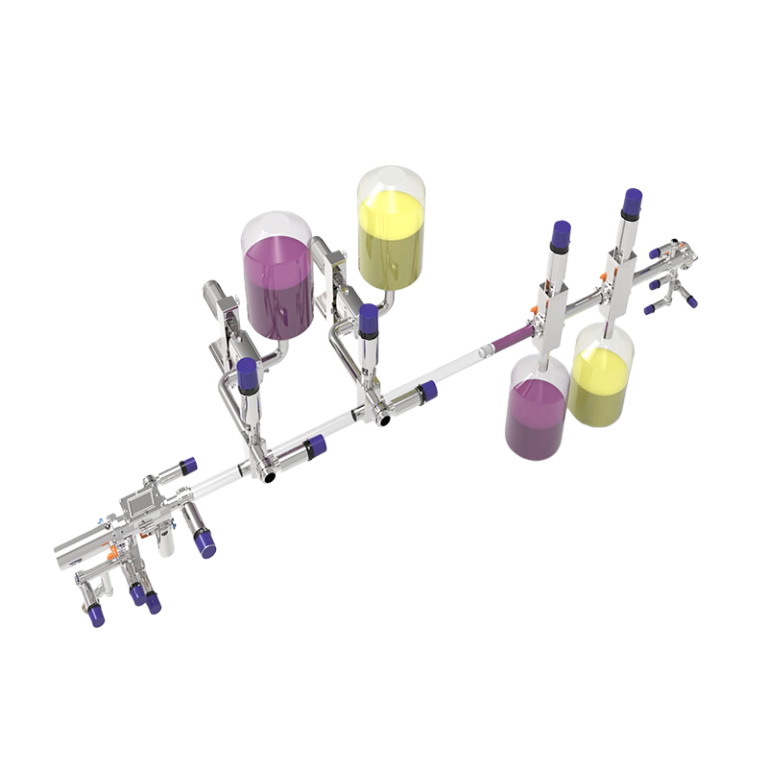
Initiating Progressive Fluid pigging systems Transfer Technologies
Clean Pipeline Methods for Food Safety
Conducting hygienic pipeline cleaning procedures guarantees top-tier neatness alongside safe processing. These solutions incorporate stainless steel components adapted to handling aggressive disinfecting methods as hampering biological contamination.
- State-of-the-art structures include precision cleaning protocols, increasing process effectiveness.
- Upholding mandatory guidelines holds priority for any sanitization framework applied in edible supply chains. Solutions are developed to satisfy strong criteria, confirming the optimal production standards.
Enhancing Flow Enhancement through Pigging Techniques
Pipeline system pigging devices provides a efficient approach for boosting fluid conveyance. Via harnessing intelligent inspection tool usage and strategic maintenance routines, personnel can alleviate pipe outages, raise conduit throughput, and maintain fluid channel reliability. Pigging spots potential problems such as barriers or rusting but also initiates efficient maintenance and evaluation methods. This precautionary transit handling substantially diminishes expenditure levels and contributes to the total dependability of conduit architecture.
Hygienic Pigging in Pet Food Manufacturing
Pipeline pigging technologies have become required components within the animal feed processing industry. These systems allow the safe and efficient distribution of substances through passages, decreasing impurity introductions. By firmly segregating different ingredients or product batches, pigging systems help maintain the highest levels of quality and safety in pet food production.
Also, pigging systems offer a set of benefits, consisting of reduced downtime for sterilization and support, improved processing effectiveness, and limited feed discard. The use of pigging systems decisively augments the production of harmless, healthy, and consistent pet food.
Designing Hygienic Pigging Systems in the Pet Food Industry
Throughout the manufacturing of pet food, guaranteeing reliable sanitation is vital. Pigging systems serve an indispensable function in securing product safety and quality by consistently scrubbing pipelines between handling stages. A well-designed pigging system features constituents that restrain septic dangers, facilitate efficient cleaning procedures, and mitigate ingredient transfer between batches.
- Incorporating sanitary finishes controls the potential for biofilm development.
- Elements that are decontaminable and wear-resistant are necessary for protecting hygiene.
- Correct regulators prevents the counter flow of pollutants during purging and substance flow.
Sanitary pigging system designs also increase system productivity by decreasing downtime for maintenance. By efficiently eliminating residues and hindering cross-contamination, these systems contribute to a more dependable production process, ultimately leading to the fabrication of trusted and premium pet food.
Pipeline Preservation and Analysis
Upholding the strength of pipelines is indispensable for uncontaminated and effective conveyance of payloads. Pigging systems supply a value-driven procedure to maintaining pipelines. A pig, also named a pipeline inspection tool, represents a technical device moved through the pipeline to carry out various procedures. Cleaning pigs clear buildup and contaminants, while inspection pigs are equipped with technology to detect erosion in the pipe walls. Regular pigging helps curtail pipeline failure, safeguarding safe and reliable activity.
- Many types of pigs exist, each specialized for specific functions.
- Pigging operations are successful and can be performed remotely.
- Adopting a pigging program can boost the useful life of pipelines and abridge maintenance costs.
Modern Pigging Solutions for Pet Nutrition
Pigging stands as a fundamental approach in the pet food industry, confirming efficient and sanitary production.
High-tech pigging technologies leverage sophisticated machinery to efficiently decontaminate pipelines. This eliminates the risk of product contamination between different pet food compositions, thereby upgrading product safety and quality.
What's more, advanced pigging apparatuses offer a range of benefits such as: * Boosted pipeline cleansing success * Diminished process breakdowns * Improved overall hygiene standards * Reduced reliance on hazardous cleaning chemicals
The adoption of these technologies demonstrates the pet food industry's commitment to producing safe and high-quality products for purchasers.
Hurdles and Strategies in Pigging Systems for Pet Food Production
Pigging procedures are fundamental in the pet food production process, supporting efficient conveyance of components and finished products. However, these systems face broad challenges. One prevailing concern is blockages caused by ingredient agglomeration. Addressing this drawback involves applying pigging strategies such as adjustable mechanisms and tailoring ingredient mixtures.
Another setback is the hazard of contamination. minimize this, strict sanitation protocols are to be observed throughout the pigging system. This encompasses regular scrubbing of pigging tools and implementation of potent cleaning substances. Regular inspections are also mandatory to detect potential faults early on. By applying these solutions, pet food manufacturers can ensure the efficiency and trustworthiness of their pigging systems.
Gains from Pigging Technologies in Pet Food
Pigging systems offer a variety of virtues for pet food manufacturers seeking to increase their production processes. These systems employ power-driven pressure for the purpose of propel certain pig, a cleaning device, through the pipeline, thoroughly removing product residue and contaminants. Accordingly, pigging systems promote to heightened hygiene standards, minimizing the risk of cross-contamination and maintaining a safer final product for consumers.
- In addition, pigging systems can increase production efficiency by lowering downtime for cleaning and maintenance.
- Plus, they contribute to diminish waste by stopping product loss during pipeline cleaning.
- Ultimately, pigging systems can be designed to address the specific requirements of different pet food production lines.
Case Studies: Successful Implementation of Pigging Systems in Pet Food Plants
Pet diet production area is shifting to efficient and sanitary operations for ensuring optimal product quality. Pigging systems have been recognized as a popular solution to meet these demands, offering a dependable method for cleaning and evaluating pipelines within pet food plants.
Numerous case studies reveal the performance of implementing pigging systems in various components of pet food production.
- Companies like [Company A], [Company B], and [Company C] have recorded significant improvements in sanitation, product reliability, and overall operational success following the adoption of pigging systems.
- Benefits such as reduced downtime for cleaning, reduced cross-contamination risks, and improved tracking of product flow have been established in these case studies.
Plus, pigging systems contribute to sustainability reduction by enhancing resource utilization and minimizing waste generation.
Picking the Right Pigging System for Your Pet Food Pipeline
With respect to safeguarding the integrity standards of your pet food process, a effective pigging system is vital. Pigging systems improve efficiency by extracting product residue and controlling cross-contamination between batches. Selecting the relevant system depends on a variety of requirements, including your production, product characteristics, and current infrastructure.
- Evaluate the size of your conduits to ensure a appropriate pig design.
- Review the density of your pet food products to decide on the correct pig material and tempo of operation.
- Highlight systems that incorporate features like automated launching and retrieval for better risk reduction.