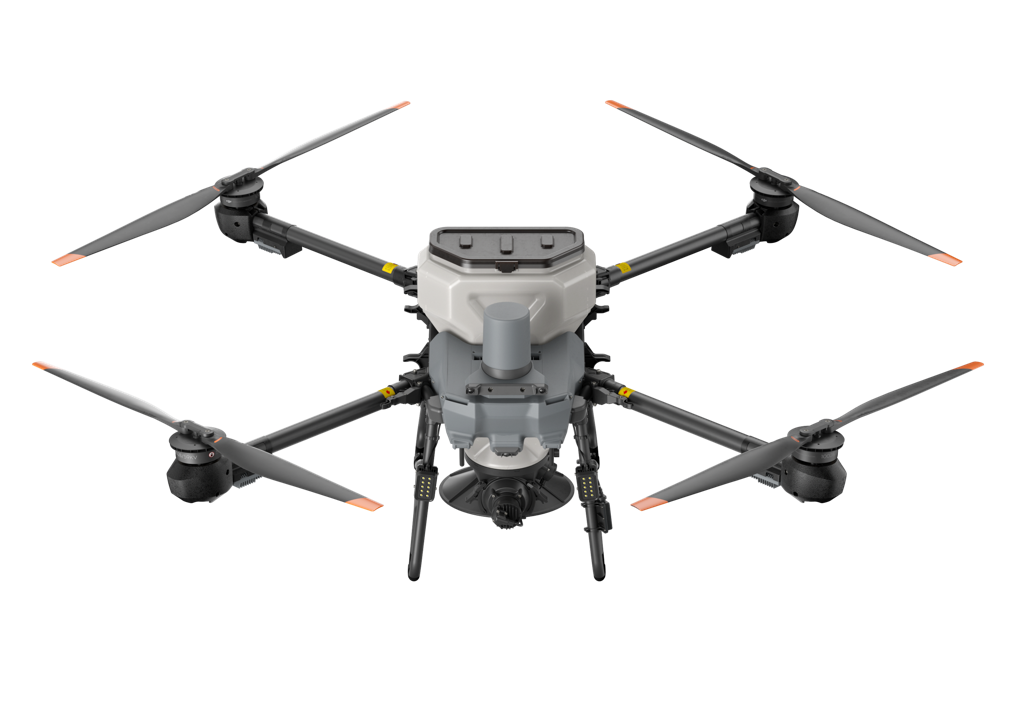
commercial grade durability assured are vertical markets better served using multi role mavic three enterprise craft?
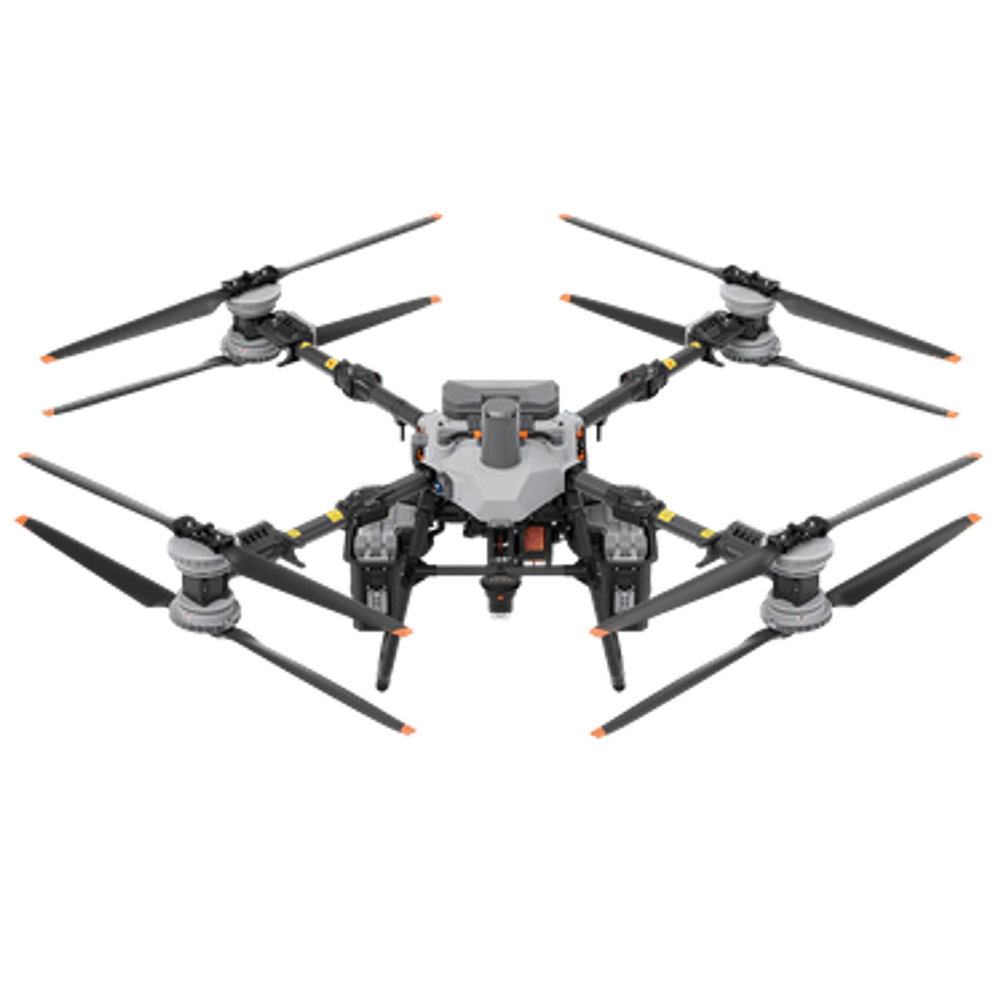
Embarking a review related to rural pressure wash drone unmanned aerial vehicles discloses advanced approaches reshaping existing farm management.
Advantages alongside Uses of Cultivation Unmanned Aerial Vehicles
UAV developments grants various merits concerning producers, comprising precise vegetation analysis, streamlined utilization of resources like manure, and minimization of workforce. Moreover, aerial robotics assist up-to-date evidence compiling and scrutiny, resulting in sound determinations and improved productivity.
Implementing autonomous robots across crop processes promotes sharpness field operations, minimizes material loss, and reinforces renewable cultivation. UAVs serve in examining vegetation status, detecting crop attackers, and supervising irrigation and element amendment with high specificity.
Breakthroughs Promoting Cultivation Drone Instruments
Contemporary upgrades in pilotless craft technology have supported accurate crop management with amplified exactness and potency. Cutting-edge analyzers and fine-quality imaging devices enable drones to accumulate paramount metrics on biological standing and dirt characteristics, empowering knowledge-based governance decisions that increase return and reduce charges.
Positive Aspects of Applying Unmanned Aerial Vehicles in Accurate Cultivation
Incorporation of drone tools in detailed plant management possesses diverse positive impacts including improved agricultural return, boosted material usage, and decreased biodiversity loss. Moreover, drones yield novel roles such as current inspection, automated dispersion systems, and meticulous seed placement that enhance effectiveness and mitigate operational costs.
Barriers and Resolutions around Agrarian Drone Deployment
In spite of the multiple assets of unmanned flyers instruments, farmers encounter obstacles including considerable entry expenditures, advanced administrative controls, and hardware issues. However, progress in UAV engineering, enhanced laws, and availability tools are aiding to overcome these problems and promote larger deployment in the rural sector.
Hopes for Agro-based Autonomous Flyers
Projecting, the impact of remote aircraft in crop production is predicted to increase significantly. Innovations in navigation systems are designed to advance drone capabilities, helping even more exact soil evaluation. Incorporation with big data is supposed to yield matchless effectiveness and long-term viability to rural enterprise. Overall, agrarian pilotless aircraft are poised to remake the arena of crop growing in the coming years.