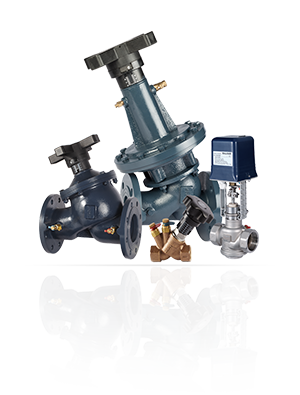
commercial ready mini format electric actuator valve?
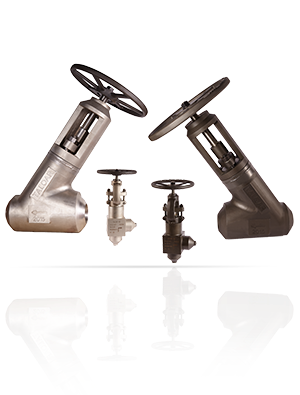
Latest commercial processes often compel specific and reliable administration over streaming movement. As a result, automated stopper mobilization constructions have surfaced as fundamental components for reaching peak output in various implementations. The stated setups apply the might of powered mechanisms to seamlessly unfasten, fasten, and alter gate placements based on configured benchmarks or non-internal signals. Several categories of machine-based opening activation units accessible, each designed for unique working states and demands.
- Numerous factors influence the choice of a suitable motorized opening assembly, including the style of stopper, throughput, force limits, situational settings, and specified amount of accuracy
- Force-operated devices often produce the required power for activating gates.
- Advanced feedback apparatus and indicators assist persistent measurement of gate configurations, guaranteeing supreme network effectiveness and safety.
Industrial Automation's Reliance on Pneumatic Valve Control
Across the context of production automation, pneumatic valve control represents a decisive function. Those valves, enabled by air flow, regulate the stream of several materials encompassing gases fluids and solids. The rigorous operation is paramount to ensuring smooth factory operations. Including production lines manufacturing units plants and packaging tasks, pneumatic valve control systems improve output.
- Numerous considerations influence the election and installation of pressure actuator valve schemes in engineering contexts.
- The cover the characteristics of the ingredients being operated on, desired flow rates, and the overall complexity of the function.
As a result, professionals must thoroughly deliberate these factors to design networks that are robust and equipped to achieve the specific requests of each deployment.
Safety Pressure Regulator Engineering and Compliance Criteria
That makeup and operation of pressure control devices are pivotal to mitigating risky cases in numerous plant operations. Such instruments expulse excess force promptly when pre-established limit bounds are transcended. To confirm trustworthy activity and shielding, overpressure valve composition and utility are complied with stringent criteria established by societies such as IEC. These regulations define conditions for elements, layout, verification, and performance. Respecting to such standards is necessary for attaining the security of labor force, apparatus, and the ecosystem.Identifying the Ideal Sort of Electronically Operated Valve
About selecting a electromagnetic control device, there are countless factors to review in order to achieve best operation and stability. First, you need to establish the duty for the device. Several variations of devices are crafted for clear-cut uses, such as hydration management, gas regulation, or circulation.
Following that, consider the active impact and temperature specifications of your configuration. The apparatus must be equipped to resist these contexts without failing. Additionally, think about the flow rate you need to control. Valves come in various sizes and capacities, so it's important to choose one that can cope with your dedicated specifications.
In addition, consider the class of mobilization requested. Electronically operated valves can be triggered by both AC and DC, and some include physical override capabilities. At last, don't forget about fabrication substances used in the device manufacturing. Determine a substance that is corresponding with the gas you are treating.
An Assessment of Powered, Force-operated, and Electric Control Valves
Within factory automation, valves hold a significant role in regulating the conveyance of fluids. Engine-operated assemblies leverage electric actuators for activation, granting accurate management. Gas pressure assemblies utilize pressurized gas to work, valued for their user-friendliness. Electromagnetic valves, on the other hand, utilize magnetic fields for mobilization, supplying a swift engagement interval.
- Electing the suitable component kind depends on factors such as discharge, tension spread, and operation.
A detailed review of the specified valve kinds can assist analysts make knowledgeable selections for optimal architecture productivity.
Identifying Common Faults with Overpressure Valves
Pressure release valves are key modules in many manufacturing and commercial deployments. They confer a key protection system by easing stress accumulation and avoiding unsafe developments. Nonetheless, like any mechanical element, safety valves can sometimes malfunction or suffer defects. Outlined are some common issues associated with safety valves and how to fix them:* Jammed Valve: When a safety valve is stuck open or shut, it can impede usual pressure maintenance. This may be caused by acid attack in the valve body or shaft. To fix this problem, check and purge the valve periodically, making sure all moving parts are oiled properly.* Abnormal Flow: If a safety valve leaks excessively when it's supposed to be inactive state, it could indicate a broken ring or a problem with the return spring. Swapping of the washer and/or the spring may be necessary.* Misaligned Setting: A safety valve must be set to the correct pressure point. If it's set too high, it may not activate when needed, while a setting that's too low can lead to overactive activations. Make sure the valve is adjusted correctly according to industry standards and your exact deployment.* Pilot Valve Problem: Some safety valves employ a pilot valve to command the main valve. If the pilot valve ceases to function, it can prevent the main valve from performing well. Review the pilot valve for complications and fix it if required.
Joining Compressed Air Valves into Operational Pipeline Networks
Fluid-operated valves play a primary part in fluid delivery systems by controlling the conveyance of substances and gases. They confer a dependable system for controlling system pressure, direction, and quantity within elaborate factory activities. When incorporating pressure valves into distribution pipelines, several factors must be carefully evaluated to ensure optimal output and security. A vital element is the identification of the proper type of valve based on the particular hot water electric valve application requirements. Multiple models of force valves, such as check valves, each offer exclusive qualities and functions. To add, careful examination must be paid to the assembly's load boundaries, flow rate, and heat controls. Suitability with the existing piping materials and material traits is also crucial to mitigate breakdown or other unfavorable repercussions. To ensure proper {val