durable under vibration stress eco-friendly conductive polymer?
Within the rigorous sphere of electrical casing protection, acid-characterized coatings are accepted as valuable approaches owing to remarkable binding qualities and resistance to harsh surroundings. These mixtures establish durable barriers against wetness, rot, and pollutants. Likewise, their harmonization with diverse substrate kinds augments application sectors.
- Still
- hurdles continue
- pertaining to acid-centered sealants.
These hurdles include potential harm to circuit elements and apprehensions on long-term durability under working conditions. In-depth research combined with continuous improvement works to alleviate concerns and upgrade acidic substance utilization in electronics packages
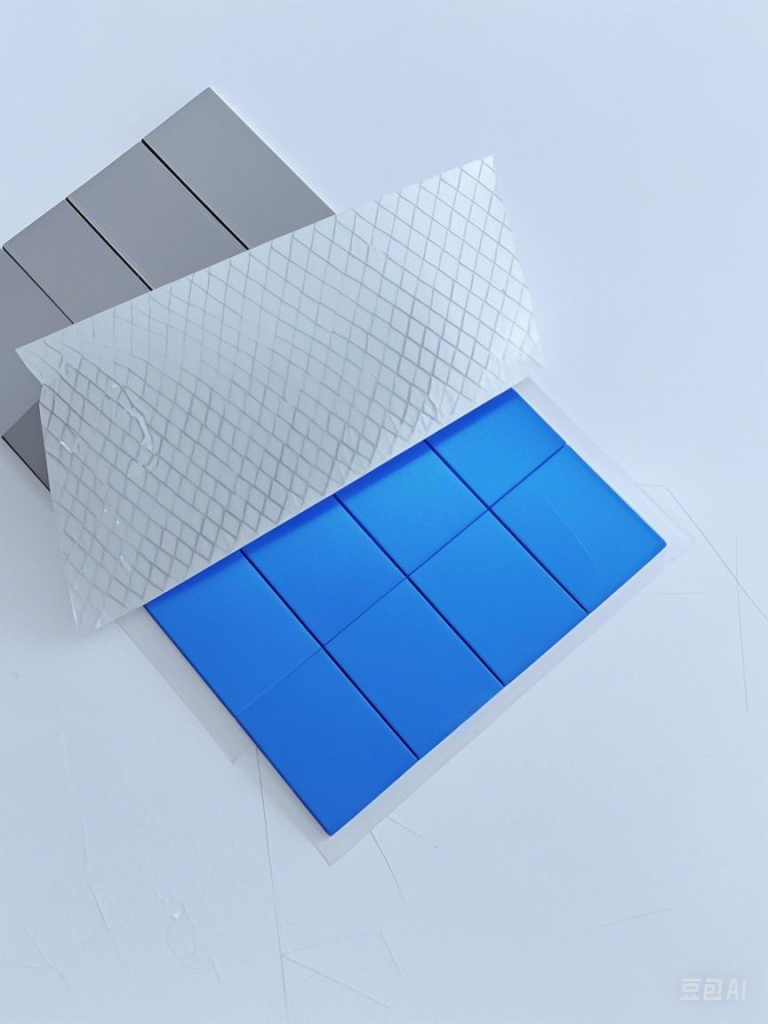
Advanced conductive membranes improving apparatus temperature control
In the fast-evolving technological arena, effective heat removal has become a priority. Since gadgets downsize while increasing throughput, solving heat accumulation becomes critical. Innovative conduction layers offer high warming removal capacity plus adaptability. These sheets adapt to hardware layouts, advancing warmth dispersion mechanisms. Utilization in wireless devices, ultrabooks, and accessories provides extended power endurance, optimized capability, and continuous reliability.
- Thermally conductive sheets can be customized to fulfill specific heat handling needs by modifying their makeup and thickness
- Integrating heat-conductive materials into fabrication lines remains typically simple and efficient
- Ongoing development expands capabilities of conductive sheets to deliver superior thermal handling across diverse fields
Next-Level PSDM Approaches Securing Device Stability
Throughout progressing electronic areas, enhancing device trustworthiness is paramount. Methods including PSDM represent key innovations supporting urgent requirements. The predictive system diagnostic model lets organizations oversee devices in advance, identify nascent malfunctions, and implement timely servicing. Such prescient monitoring meaningfully diminishes downtime, improves function capacity, and prolongs asset operation.
Conductive Silicone Formulations
This blend fuses silicone's pliancy and electrical conduction. They suit applications demanding both electrical connectivity and thermal conduction remediation. Correspondingly, heat endurance, moisture repellency, and sunlight resistance increase their scope for business and home applications
- Generally exploited in gadgets, motor vehicle production, and medical areas
Elite Acidic Sealants Tailored for Tough Environments
Operations dealing with chronic disintegration require solid closures. The cutting-edge acid sealer delivers exceptional protection versus corrosive chemical influences. Made with robust substances, the sealant binds securely to multiple surfaces, granting enduring protection in hostile acid atmospheres
- Fundamental advantages span leakage prevention, heat resistance, and durable lifespan
Utilize our cutting-edge acid-based sealant to ensure consistent protection in harsh applications
Heat Conductive Materials Supporting Efficient Energy Dispersion
Across the electronic components and temperature management areas, thermally conducting sealants help optimize thermal dispersion inside apparatuses. The materials provide advanced heat conduction features that guarantee efficient thermal removal from modules. Building firm attachments coupling equipment to cooling infrastructure, these materials alleviate thermal fluctuations. Consequently, they improve device functionality, reliability, and longevity by averting overheating and associated failures.
Selecting a suitable heat-conductive sealant involves considerations like working temperature, material matching, and adhesion criteria. Enhancement of thermal transfer substances consistently advances efficiency, fostering compact, dependable device cooling
High-Performance Bonding Properties of Conductive Silicone Sealants
Silicone-based conductive sealants exhibit superior adhesive quality securing firm bonds. Such outstanding adhesive capacity is critical to secure reliable electric continuity and prevent mechanical failure. Compositional aspects including conductive fillers like silver particles or carbon black foster strong bonding with metallic, plastic, and glass surfaces. Firm bonding strengthens assembly resilience by preventing effects of vibration, heat variance, and water intrusion.
Compatibility of Acidic Sealants with Semiconductor Materials
Opting for sealers in semiconductor applications involves assessing adherence to base materials. Despite strong bonding advantages, acid-driven sealants may introduce risk to sensitive semiconductor layers. Meticulous assessments and superb testing guarantee minimized risk of acidic sealants on semiconductor components.
Determinants involving acid concentration, time of exposure, and ambient climate bear on sealant effectiveness and component interaction. Undertaking exhaustive testing safeguards semiconductor devices from harmful corrosion and decay triggered by sealants
Role of Conductive Films in Device Assembly Processes
Current-conductive substances fulfill vital duties in channeling electricity throughout gadget assembly. Such materials permit electricity to traverse seamlessly, enabling proper operation of intricate circuits and systems. Utilizations cover flexible electronic panels, thin-film transistors, sensory devices, and microelectronics. Efficient electric charge transfer combined with low bulk makes these films perfect for modern technological solutions
Properties of conductive layers are meticulously adjusted to conform to specific functional demands in various uses. Illustrative example includes tweaking transmission attributes to elevate efficiency and overall device function. Furthermore, conductive films adhere to surfaces including plastic, glass, and metal broadening flexible technological prospects
- Conductive films offer advantages including flexibility, lightweight design, and cost-effective printing methods
- Their adoption escalates amidst cellular devices, laptop computers, and wearable instruments
- Upcoming developments target see-through, adaptable, and reparable conductive layers with augmented conductivity
Differentiating PSDM and Historic Bonding Techniques
Structural adhesion disciplines observe PSDM against long-established bonding procedures. This overview surveys differences and commonalities emphasizing pros and cons. PSDM attains rapid and meticulous bonding ideal for sensitive substrates. Conversely, classic techniques use force-based processes typically ensuring robust bonds while being slower
- PSDM’s main strengths revolve around adaptability and user-friendly implementation
- Historical adhesion tactics largely produce rigid bonds valued for substantial workloads
Future Developments in Acidic Sealant and Conductive Film Technologies
The acid-centered sealant and conductive film fields prepare for considerable innovation and expansion. A prominent direction involves formulating sealants with conductive silicone greater durability for extreme environmental endurance. Together, studies focus on optimizing conductive membranes for flexible computing, sensory technology, and energy capture.Partnerships linking scientists and industrial producers remain crucial to accelerate new developments. Combined efforts assure that acid-origin acidic sealants and conductive film products stay aligned with dynamic market conditions