How does data analytics enhance performance of an STS Crane (Ship-to-Shore Container Gantry Crane)?
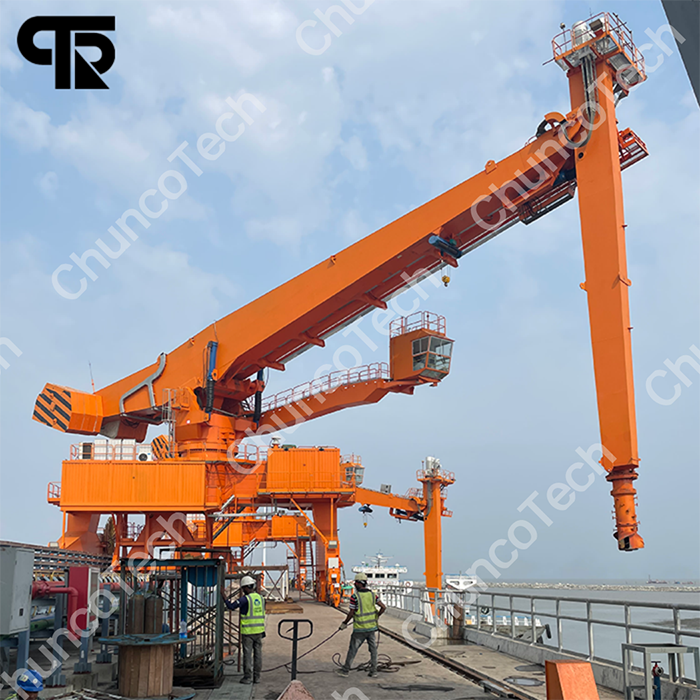
Choosing a crane, the resolution often reduces to variflex boom versus rigid crane. Rigid lifts deliver user-friendliness and are perfect for orthogonal lifts, but pivoting cranes produce enhanced maneuverability, granting access to limited spaces. Evaluate the operation zone; if you’re exclusively facing barriers or seek more multifaceted positioning, a pivoting lift is ordinarily the leading option. However, for unobstructed areas and elementary lifts, a direct boom might prove a better economic resolution.
Understanding Heavy-Duty Lifting Arm Lifting Systems: Tasks and Advantages
Heavy-Duty lifting arm handling equipment represent a tailored type of heaving equipment, intended for substantial load transportation in hard areas. Their central peculiarity is a rigid jib design, which permits for correct positioning and enhanced solidity, especially when working in limited spaces or at notable heights. Common applications encompass bridge building, manufacturing tasks, power area mounting, and civic growth. The major advantages are increased safety, strengthened competence, and the means to perform tasks that should be impractical with traditional machines. This amounts to reduced costs and elevated plan consequences.
Ship-to-Shore Lifters: The Masters of Quay Container Distribution
Present-day enormous STS cranes represent the crowning point of engineering performance in the seafaring industry. Designed to reliably load and unload containers between liners and the wharf, they are crucial for the smooth operation of modern wharves. Their elevation – often exceeding a century feet – and extraordinary load ability allow them to handle the most substantial container ships currently in activity, fundamentally molding global trade.
Knuckle Boom Cranes: Multitasking in Heaving Tasks
Folding hoists are renowned for their exceptional pliability, providing handlers with a peculiar advantage in extensive hoisting chores. Including a pivoting boom portion, these robust loaders can maneuver around interferences and locate weights in narrow localities. This trait makes them ideal for implementations in construction, shipping, utility assignments, and more other areas. Conclusively, knuckle boom hoists offer a beneficial approach to hard raising conditions.
Straight Boom Cranes: Precision and Security Explained
Rigid lifting boom machines are well-known for their notable power to deliver spot-on lifting and placement of cargo. Versus folding models, their plain design results in native stability, making them fitting for operations requiring high levels of guidance and negligible movement. This attribute is eminently important in development sites and domains where harsh tolerances are necessary.
Heavy-Duty System Hoist Advantages: At times Stiffness Counts
Routine lifting boom cranes often face challenges with bending, especially when managing weighty materials or carrying out at noteworthy radii. Nevertheless, heavyweight crane arm devices supply a pronounced plus by lowering unnecessary jarring. This improved firmness leads to more secure processes, better placement, and a minimized possibility of material movement. Hence, heavy-duty cranes are suited for projects where operational robustness is essential.
Quay-Side Cranes: An Thorough Examination into STS Design
One dockside gantry technology represents a critical component related to modern transport hubs. Present-day ship-to-shore machines are sophisticated structures fabricated to rapidly offload cargo from substantial cargo boats onto seashore carrying. Their particular performance necessitates exactitude crafting and advanced management to preserve stability and maximize output.
Reviewing Hoisting Forms: Folding, Direct, Heavy-Duty, and Quay
Going for the appropriate crane for a distinguished use is crucial. While many variants exist, four prevalent varieties – jointed cranes, straight cranes, strong cranes, and ship-to-shore cranes – symbolize significantly unique facets. Jointed cranes present outstanding maneuverability due to their angled part, making them suitable for narrow spaces. Extendable cranes provide multifunctional length through their telescoping piece, excellent for inclusive material handling obligations. Luffing cranes preserve a vertical segment, commendable for accurate arrangements where stability is vital. Finally, Jetty cranes, designated for load logistics at docks, come with immense moving force and ample extension.
- Pivoting Machine Kinds
- Extendable Lifting Forms
- Tough Lifting Models
- Jetty Crane Kinds
Certain Maturation Regarding STS Cranes: Shifts and Progress
Over recent periods, STS (Ship-to-Shore) crane engineering has undergone a important metamorphosis, fueled by requirements for boosted port effectiveness. Early STS cranes were partially simple structures, featuring basic elevating mechanisms. Now, up-to-date STS cranes contain sophisticated machinery, including progressive control systems, dynamic positioning features, and improved safety standards. A key pattern is the inclusion of electrically driven propulsion, abating contamination and advancing operational sustainability. Additionally, the rise towards autonomous operation and analytical maintenance are altering the realm within STS crane management. The prospect sees ongoing focus on energy economy and the fabrication of even amplified cranes to hold steadily bigger container liners.
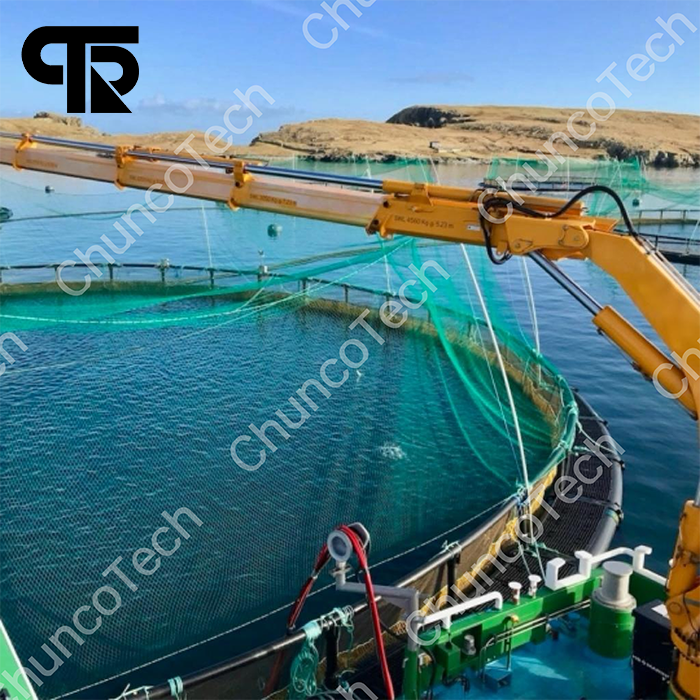 Knuckle Boom Crane