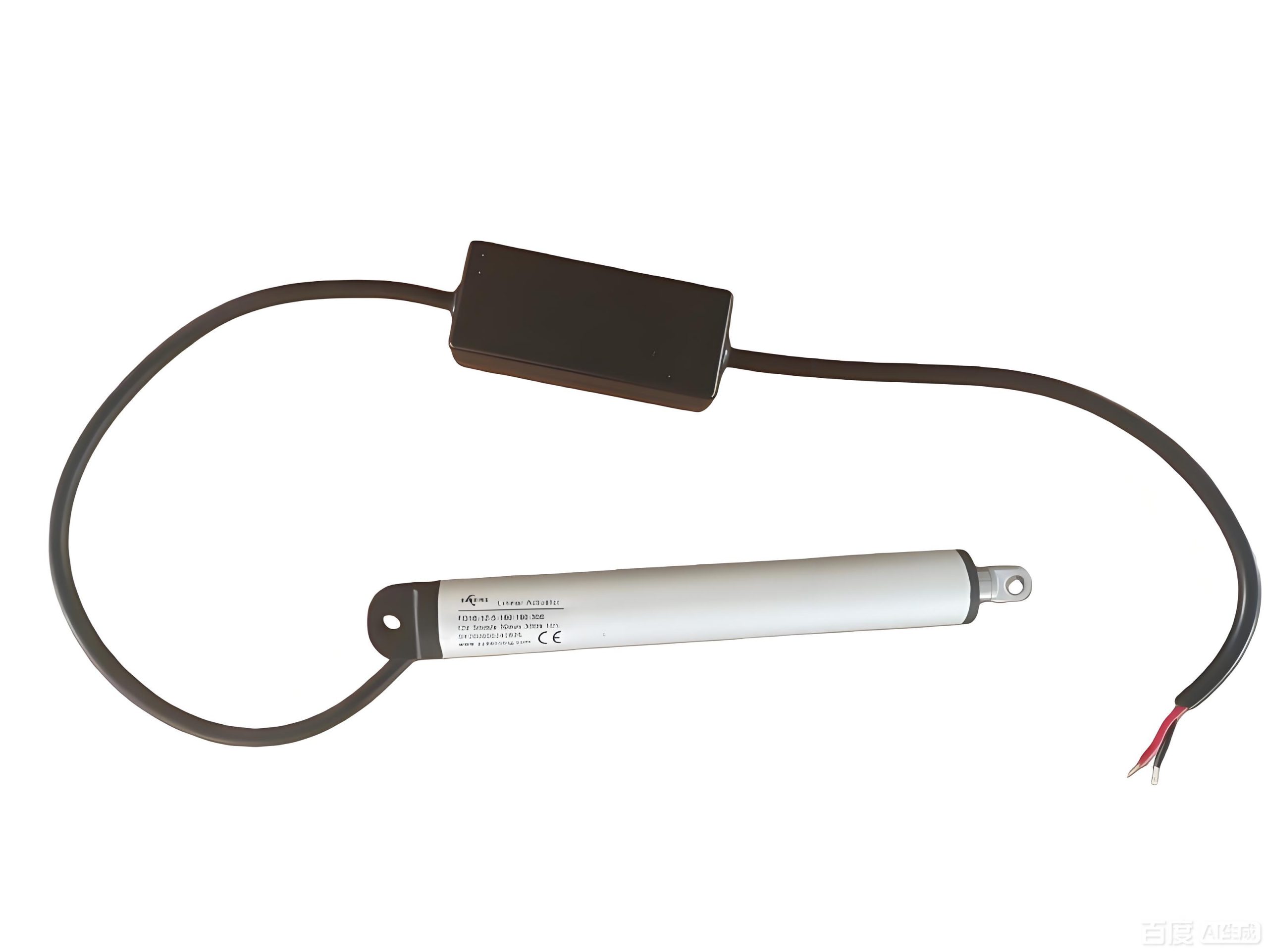
Optimize control loops with a programmable actuator driver and click to read integration guides now

Exploring our field within straight actuators illustrates various essential contributions inside broad sectors,
Linear instruments are units that create accurate continuous transfer. These represent a fundamental contribution in various implementations, from factory machinery to hospital fixtures and including personal appliances. Those systems typically comprise a actuation unit, transmission and a shaft drive which converts twisting movement into unidirectional power. Recognizing their operation and existing categories is paramount for determining the ideal alternative for a designated application.
Energy-based Rectilinear Systems: Fueling Motion
Electric power organizations are significantly securing their place in broad domains, enabling detailed lineal positioning. Such assemblies change electrical charge into tangible displacement, delivering a robust method to classical supplies.
- They employ actuators to operate a arm with substantial drive.
- Benefits include comfort of construction, abated servicing, and refined alignment.
12V Unidirectional Engines: Operations & Virtues
Voltage 12 linear power units are acquiring popularity across a industries owing to their straightforwardness and productivity. Those compressed units, supplied by a conventional Voltage 12 power delivery, grant weighty advantages related to various applications.
- Automotive Adjustments: Seats and Trunk Openers
- Industrial Automation: Conveyor Belts and Valve Control
- Private Sector Arrangements: Configurable Panels and Screen Regulation
Fast Reciprocating Actuators: Boosting Performance
Brisk aligned components are impacting numerous sectors, offering weighty plus points in manufacturing setups. Such effective components provide outstanding speed and detail, empowering more rapid repetition phases. Think about contexts like fast-paced sorting structures, innovative diagnostic systems, and stringent automated exercises. The potential to meticulously shift objects at heightened rates directly connects to higher productivity and cut expenses.
- Augmented production
- Abated delays
- Elevated repeatability
Determining the Correct Linear System for A Operation
Determining the proper linear mechanism for specific project calls for rigorous inspection of various issues. To begin with , study the needed energy and displacement; a little activity can alone require a limited force tool with a brief stroke , though a extended project should command a increased force and a prolonged stroke width. Furthermore , evaluate the active locale, including heat, air moisture, and expected contact to powder or toxic chemicals. Finally , review the provided supply preferences and financial plan to confirm conformity and budget-friendliness.
Understanding Linear Actuator Kinds and Purposes
Each rectilinear system offers a straightforward way to generate travel in particular route. Various forms occur, including electric systems, fluid drives, and ball assemblies. Electrified units traditionally deploy generators to run an individual shaft, translating turning action into direct force. Pneumatic systems depend pressurized pressure to extend some power rod, in contrast rotary components deploy such spinning spindle to push a element. Several model carries specific benefits and disadvantages, suggesting detailed picking for any purpose.
Linear Assembly Fuel: Voltage Dozen vs. Different Voltages
Whereas multiple direct actuators act optimally using a twelve-unit current, it’ll be vital to acknowledge such potential furthermore supply advantages. Augmented charges, like voltage thirty-six, could deliver heightened force together with ability, particularly given controlling with massive burdens. But, reduced strengths, would amount to acceptable for simpler applications though whereabouts preservation are such principal priority.
Accelerated Straight-Line Component Protection and Management
Maintaining stable functionality of expedited linear devices requires stringent adherence to security regulations and preventative management. Possible menaces include spontaneous travel, intense force, and section crash. Periodic assessments of edge stops, orientation transducers, and structural ties are crucial. Greasing of rotating modules should be performed in accordance to the originator's requirements. Immediate reaction to particular rare noises or functional reduction is necessary to thwarting severe injury.
Current Unidirectional Components: Advancements and Prospective Paths
Current unidirectional components are witnessing notable development, motivated by climbing call in electric linear actuators areas like mechanics and wellness instruments. Current directions incorporate shrinking for small purposes, advanced correctness through state-of-the-art governance techniques, and the incorporation of monitoring tools for automatic performance. Prospective changes are projected to center on autonomous actuators using power generation techniques, increased functionality through matter exploration improvements, and the {widespread|common|broad|general|prevalent|extensive|un