sensory focused purple clay pour over pot?
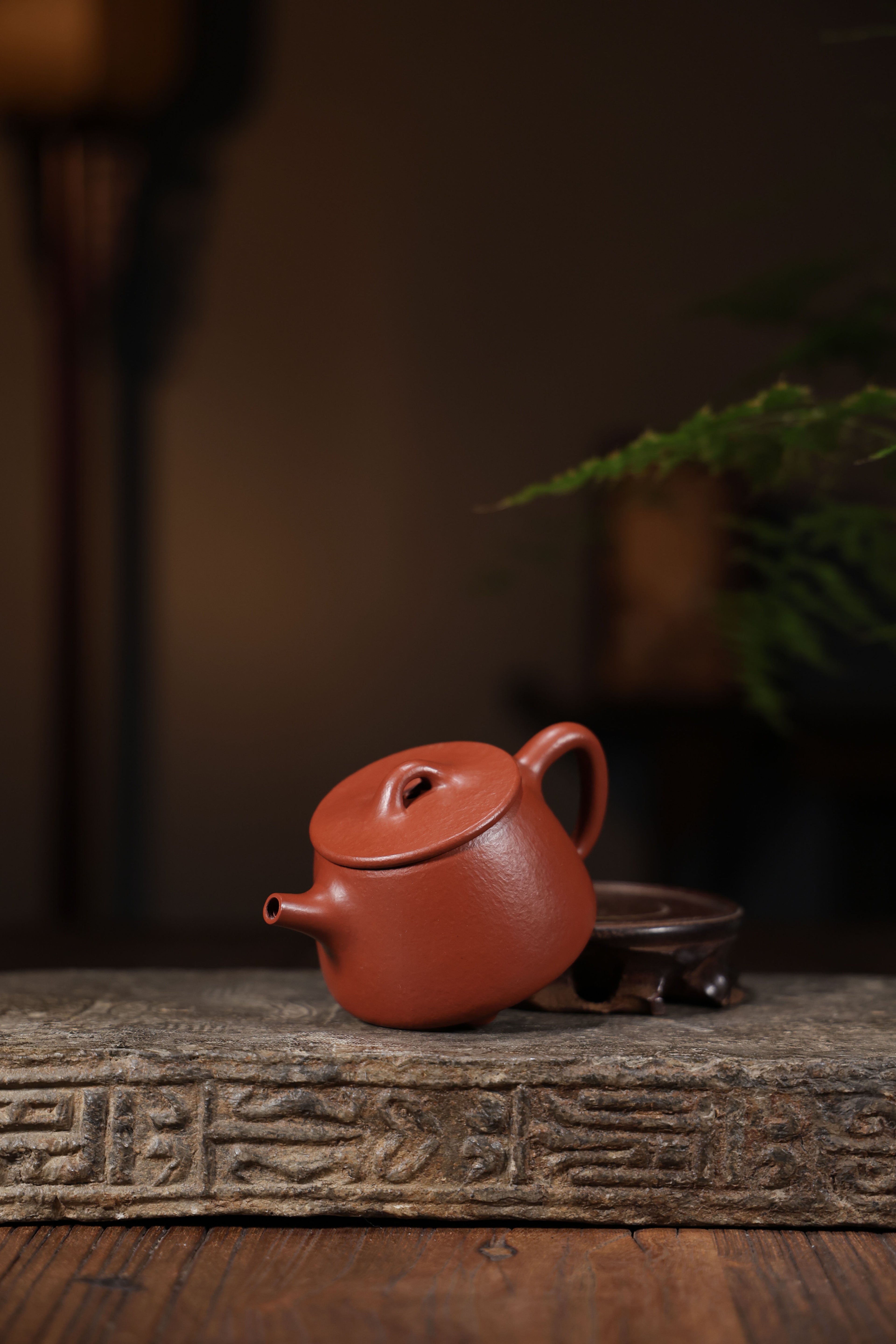
Beginning your thorough review of Eysing Tz'u Sha porcelain pots brings an intriguing combination between skill combined with effectiveness.
Yi-hsing Tzu-sa ceramic kettles retain special peerless enticement concerning gatherers on a global scale. Distinguished outstanding clay vessels, originating from the original Yihsing locale inside Jiangsu territory, China, serve as more than just brewing instruments; they are recognized as works artistic beauty and cultural significance. The finely classified clay, known called Zisha, imparts a gentle flavor in the tea, and the complex designs, often embodying traditional Chinese motifs, improve their natural value. Obtaining a genuine Yixing Zisha teapot offers a pleasing journey, calling for careful examination and an understanding of the countless factors influencing its limited availability.
Understanding Yixing Tea Vessels
Ising ceramic containers boast a fascinating record deeply interwoven with Chinese traditions. Originating in Yixing, Jiangsu area, these pots are crafted from a unique, porous purple dirt found only in that designated location. Their growth began during the Ming time, with master craftspeople refining the means over ages. Various types persist, including the classic Hexiang (resembling crab shells), Zhuni (red-brown hue), and Duan Ni (stone-studded) – each with Chinese Teapot distinctive traits. The value of an Yixing brewing pot isn't solely based on its size or embellishment, but also on the potter’s reputation, the mineral's quality, and the vessel’s age and condition. Curators often seek out older examples, believing they collect the flavor of the drink brewed within them over time, further adding to their prestige.- Original Pots
- Mahogany Vessels
- Stony Vessels
Zisha Teapot Mastery: Fabrication & Procedures
Exclusive production of Zisha teapots represents a zenith of Chinese ceramic skill. Professional artisans employ traditional techniques, often passed down through ancestry, to unlock the full potential of this unique clay. Techniques involve meticulous crafting by hand, often combined with the layering method, followed by precise drying at incredibly marked temperatures in wood-fired kilns. Ornamenting is equally crucial; designers utilize inherent clay colors and may incorporate etching work to depict intricate scenes or patterns, demonstrating a profound expertise of the material’s characteristics and presence. The conclusion teapot isn't merely a vessel for tea, but a testament to a significant cultural lineage.
Classical Vessels: This Presentation to 宜兴 Tz'u Sha
Probing the world of Chinese teapots sometimes commences with Yixing Zisha. These uncommon clay teapots are produced from a distinct type of clay obtained only in the Yixing region of Jiangsu province. Renowned for its notable reddish-purple hue and extraordinary merits, Zisha clay imparts a gentle flavor to the beverage and ripens with age, shaping into a cherished valued item. Owning Yixing Zisha pots is more than just holding a exquisite object; it’s a dedication of practice and talent.
Surveying Yixing Purple Clay: Realness & Increase
Beginning the domain of Yixing Zisha ceramics can be utterly worthwhile, but involves a discerning cognition. Validity is required; plentiful duplications occur, habitually artfully constructed. Becoming knowledgeable about old-fashioned roasting procedures, special terracotta attributes, and the labels of respected makers is completely paramount. Over and above, realizing the finer distinctions of the expansion swing – influenced by conditions such as antique consequence and the quality of the item – is key to rewarding gathering.
- Exploring baking origins.
- Consulting authorities for confirmation.
- Comprehending auction behavior.
This Skill of Preparing with a Stoneware Container
A distinctive allure of a Zisha apparatus lies not just in its gorgeous appearance, but also in its remarkable impact on the flavor of the tisane. These historic clay pots, sourced from distinctive regions of China, possess a original porosity that gently interacts with the essence and leaves, imbuing the cup with a elegant character. Mastering the practice requires a patient approach, understanding how the earth responds to diverse temperatures and plant types, ultimately leading to a genuinely rewarding imbibing ritual.
Sustaining Individual's Treasure
Proper preservation of your Yixing clay pot is crucial to extending its viability. These prized teapots, crafted from exclusive Yixing clay, form a finish over decades that magnifies their worth. Systematically rinse the inside with filtered water, avoiding detergents, and never use rough scrubbing tools. Occasional gentle dusting with a plush cloth can support in eradicating residue. Allow your urn to completely dry prior to each preparation
Unlocking Clay: Secrets Those Earthenware Illustrate Special
The well-known appeal of Yixing teapots stems from the particular properties of Terracotta clay, found solely near Yixing, eastern China. This uncommon clay, a type of ferruginous clay , displays a atypical combination of components that, as time passes, incorporate the character of the tea it steeps. This brings about a distinctive flavor profile for each kettle, rendering it a rate far surpassing its baseline-level price and leading to their respected status among aficionados.
Spotting the Appropriate Regional Teapot: A Zisha Manual
Venturing into the world of Zisha clay teapots can feel complex, but understanding the principles is essential to acquiring a esteemed piece. This model of clay, sourced essentially from the Yixing region, Jiangsu Province, is known for its uncommon permeability and ability to augment the essence of the beverage over age. Reflect on the contour, the tint, and the visual appeal; a real Zisha teapot is more than just a receptacle; it's a artistic piece and a emblem of ancient culture. Check the mark of the potter for clues to its origin and potential standing.