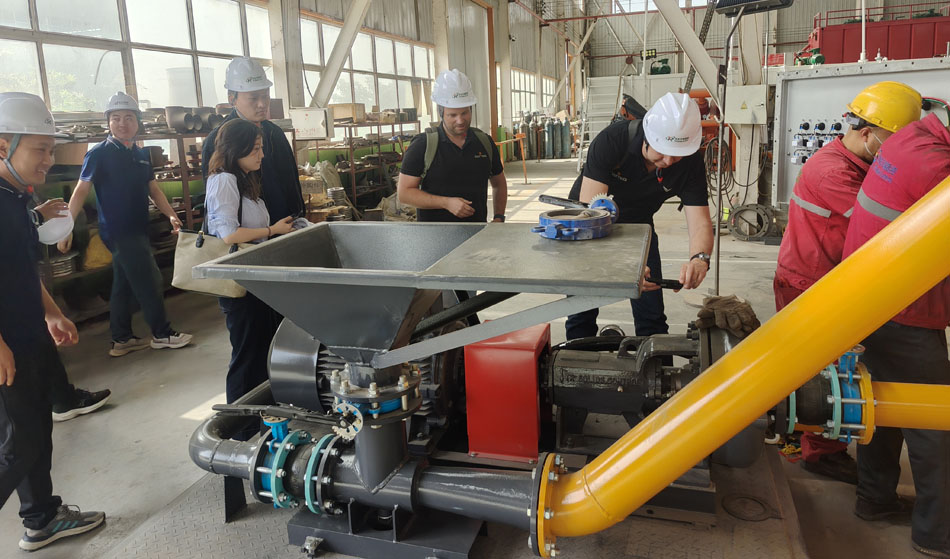
solution oriented Shaker Screen branded solutions?
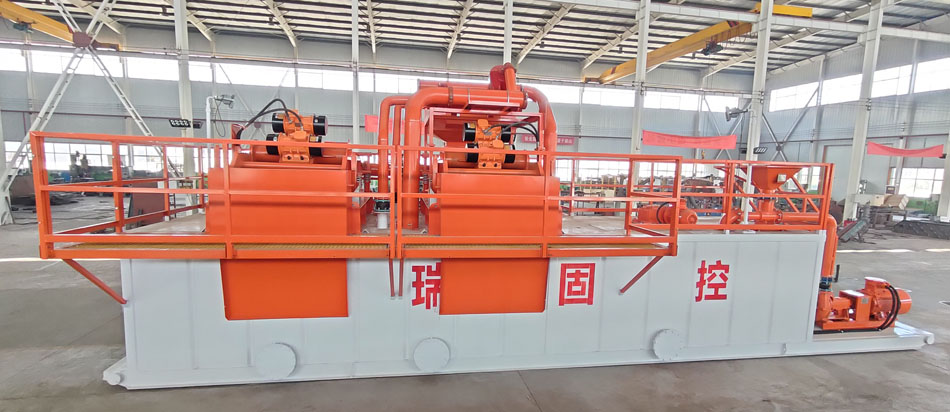
Throughout the complex arenas of crude oil sourcing efficient Shale Shaker waste disposal of drilling materials becomes crucial.
Drilling fluid screens provide a crucial service in clearing residues and debris from drilling mixtures, thereby securing superior well shaft soundness and efficiency. In order to improve their performance, raising shaker efficacy includes harmonizing multiple considerations. This implies determining an apt shaker style and mesh sizing with drilling criteria in mind, consistent servicing to deter damage, and deploying cutting-edge methods in fluid movement. By meticulously managing these aspects, practitioners secure remarkable outcomes in drilling throughput, debris mitigation, and holistic process stability.
Choosing Appropriate Screens for Drilling Fluid Cleansing
Careful determination of shaker meshes impacts drilling fluid clarification processes. These filtering elements are key in isolating sediments and rubbish from drilling brews. Mesh aperture sizing requires meticulous scrutiny concerning fluid properties and granular types present. Selecting improper shaker meshes possibly results in lowered filtering success, threatening drilling execution.
Efficient solid removal from drilling suspensions is pivotal for maintaining well integrity. Improving drilling outcomes, enhancing operational longevity, and minimizing formation harm. A carefully constructed shaker screen configuration can meaningfully increase overall workflow performance.
Leading-Edge Solutions for Sustainable Drilling Waste Treatment
The hydrocarbon production industry generates large quantities of drill waste, posing serious environmental challenges. For reducing adverse impacts, specialists constantly explore novel remediation systems. These methods focus on minimizing waste amounts and dangers while refurbishing useful resources. Leading-edge progress embraces microbial degradation, mechanical refinement, and chemical treatment. By embracing these trailblazing approaches, the sector fosters sustainable operations, diminishing environmental threats and nurturing biosphere sustainability.
Optimizing Function of Muck Reclamation Units: Lowering Ecological Impact
Optimizing mud reuse techniques holds critical importance in decreasing eco impacts tied to infrastructural and manufacturing projects. Via expertly reusing mud, disposal proportions diminish considerably, shielding ecological reserves and mitigating pollution. An excellent drilling fluid reuse model contains components enabling best output. These involve sophisticated separation technologies, rigorous cleaning protocols, and environmentally sound handling practices for residual matter. Similarly, regular servicing and workforce training are indispensable to maintain system capabilities and lessen environmental strain.
Harmonized Strategies for Merging Shaker and Mud Recovery Technologies
The hydrocarbon sector persistently pursues novel means to enhance drilling efficiency. Drilling slurry refurbishment acts as a principal facet encouraging these missions. Cutting-edge integrated approaches arise for overcoming mud reclamation hurdles, presenting myriad advantages. Integrated constructs merge various devices to amplify productivity, minimize pollution, and support total operational success. Ultimately, they advance drilling outcomes across performance and environmental dimensions.
Advancements in Drilling Fluid Filtering and Detritus Segregation
The natural gas field continuously attempts to curtail eco issues stemming from operations. A significant point involves supervising drilling byproducts through effective cleansing and sorting of debris from drilling liquids. New progressions in filtering and separating tools provide promising methods to lessen debris volumes and enhance recycling or dumping protocols.
- Cutting-edge fibrous filters and charcoal composites exemplify forefront media scooping extensive contaminant categories in drilling mixtures
- Settling, rotating, and weight-driven strategies progress in accuracy when isolating liquids from drilling detritus
- Autonomous, digital, and machine-learning driven solutions merge with filtering and isolating systems advancing performance and supervision
Plus, assessments move ahead in fresh detritus management approaches, including reconditioning by conversion.
Acknowledging Shale Shaker Responsibilities in Drilling Fluid Treatment
Drill cuttings separators maintain major positions in energy harvesting for extracting drilling solids. Cuttings embody stone chips, crystalline shards, and assorted debris collected during drilling steps. Efficient removal of cuttings remains crucial for preserving fluid viscosity and density needed for cooling drill bits, lubrication, and preventing borehole instability. Shale screens utilize oscillating motion to distinguish heavy particles from lighter fluid constituents. Isolated particles accumulate in collection devices and treated drilling fluids return to drilling platforms. Proper circulating control of fluids supports better drilling performance, expense savings, and minimal environmental footprint.
Advancing Shaker Design to Reduce Drilling Scrap
Rearranging shaker mesh design forms a significant approach in diminishing drilling detritus. Wise shaker screen application dramatically elevates debris separation, resulting in less waste disposal. Attentive consideration of mesh size, screen location, and fluid velocity are crucial to achieve optimal separation. Such actions together promote green sustainability by decreasing levels of resulting detritus.
Predicting Advances in Drilling Byproduct Disposal: Intelligent and Automated Tools
Crude oil and gas businesses consistently improve to handle escalating trade demands and regulatory obligations. A vital point attracting notice involves waste treatment in drilling, utilizing automated and intelligent methodologies. Implementing these progressive technologies, operations notably diminish environmental risks and raise productivity.
Robotic monitors, computerized instruments, and sensor networks continuously aid prompt detection of drilling leftovers. Such units deliver essential intelligence offering guidance pivotal for improving cleansing workflows and disposal approaches. Accumulated data aids modifying present methods and developing novel approaches.
Moreover, intelligent technologies like AI, foresight tools, and pattern recognition enable early detection of issues. This anticipative outlook supports fast resolutions, curtails ecological footprints, and blocks procedural breakdowns.
Verified Cases Detailing Outcomes of Shale Separator and Mud Recovery Frameworks
The petroleum sector continuously pursues novel strategies to increase drilling productivity and reduce environmental damage. Reports showcase significant benefits connected with shale shaker and fluid reclamation apparatus adoption. The systems distinctly assist drilling progress by removing particulates from slurries and fluid reuse management, resulting in considerable savings and refuse decrease.
Contemporary confirmed examinations reveal adoption of shaker devices in extensive drilling ventures. Encouraging effects include impressive cuts in slurry disposal charges and eco impact reduction. Moreover, recirculated mud exhibits enhanced qualities contributing to better borehole firmness and lower incidents of well blowouts.
- Diverse examinations confirm shaker unit proficiency in isolating cuttings from drilling brews, lengthening machine durability and diminishing maintenance cycles
- Drilling fluid reuse systems shown capability in diminishing freshwater dependency and abating contaminated discharge in nature
Uniting shale shaker and residue reuse systems represents a fundamental progress in drilling operations, producing considerable operational and environmental rewards. Steady advancements alongside creative practical examples set these solutions for expanding roles in molding petroleum sector trajectories.
Optimizing Shaker Device Performance via Value-Driven Plans
Advancing shaker performance paired with expense control marks a notable factor in productive drilling practices. Deploying budget-friendly methods can significantly enhance shaker operations and cut total costs. Valuable tactics contain frequent mesh inspections for erosion, keeping correct shaking strengths, and regulating flow quantity conforming to operation specifications. Detecting challenges early and utilizing frugal remedies produces optimized function and robustness in shaker apparatuses.