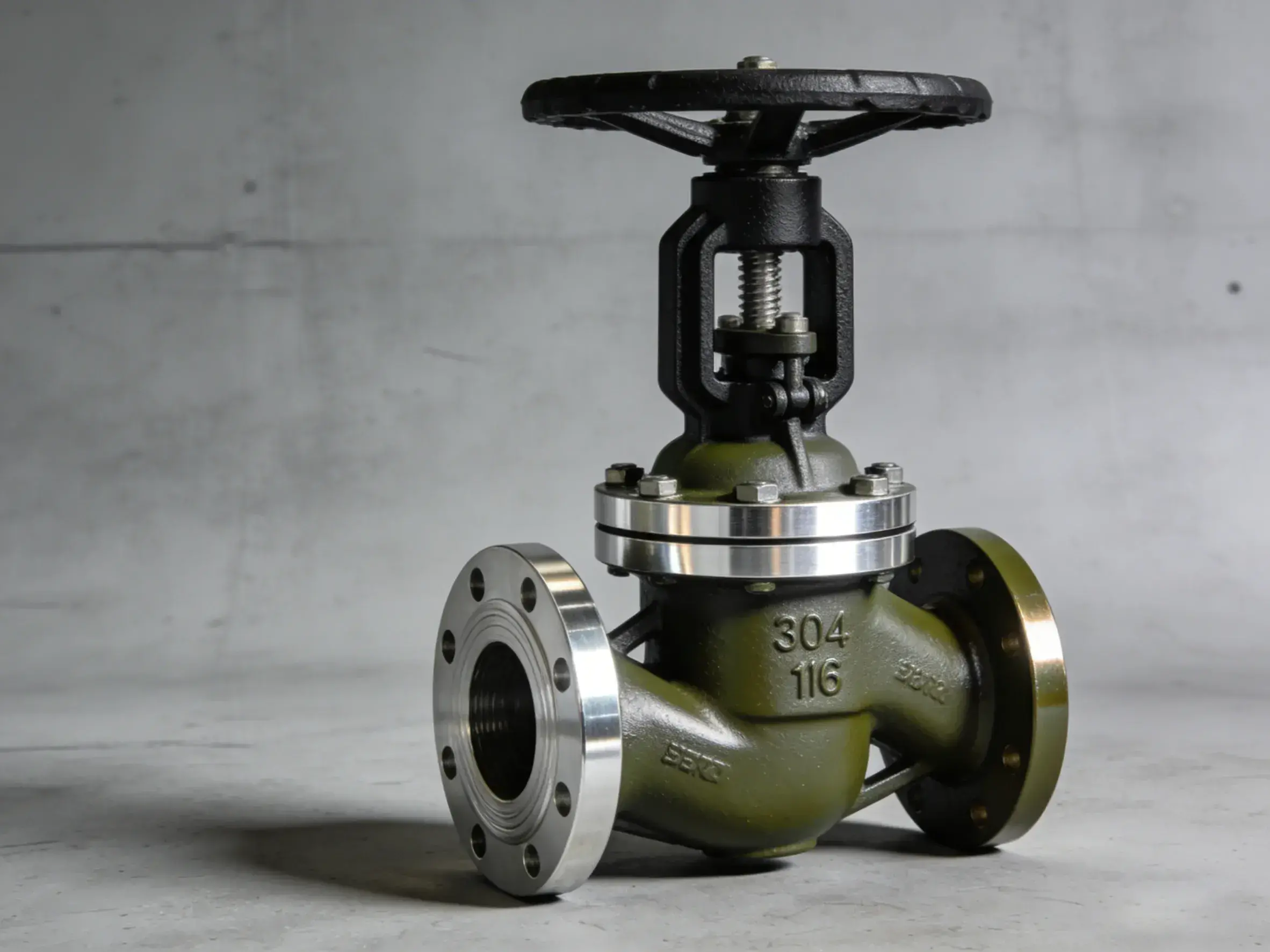
tight tolerance industrial grade valve systems package?
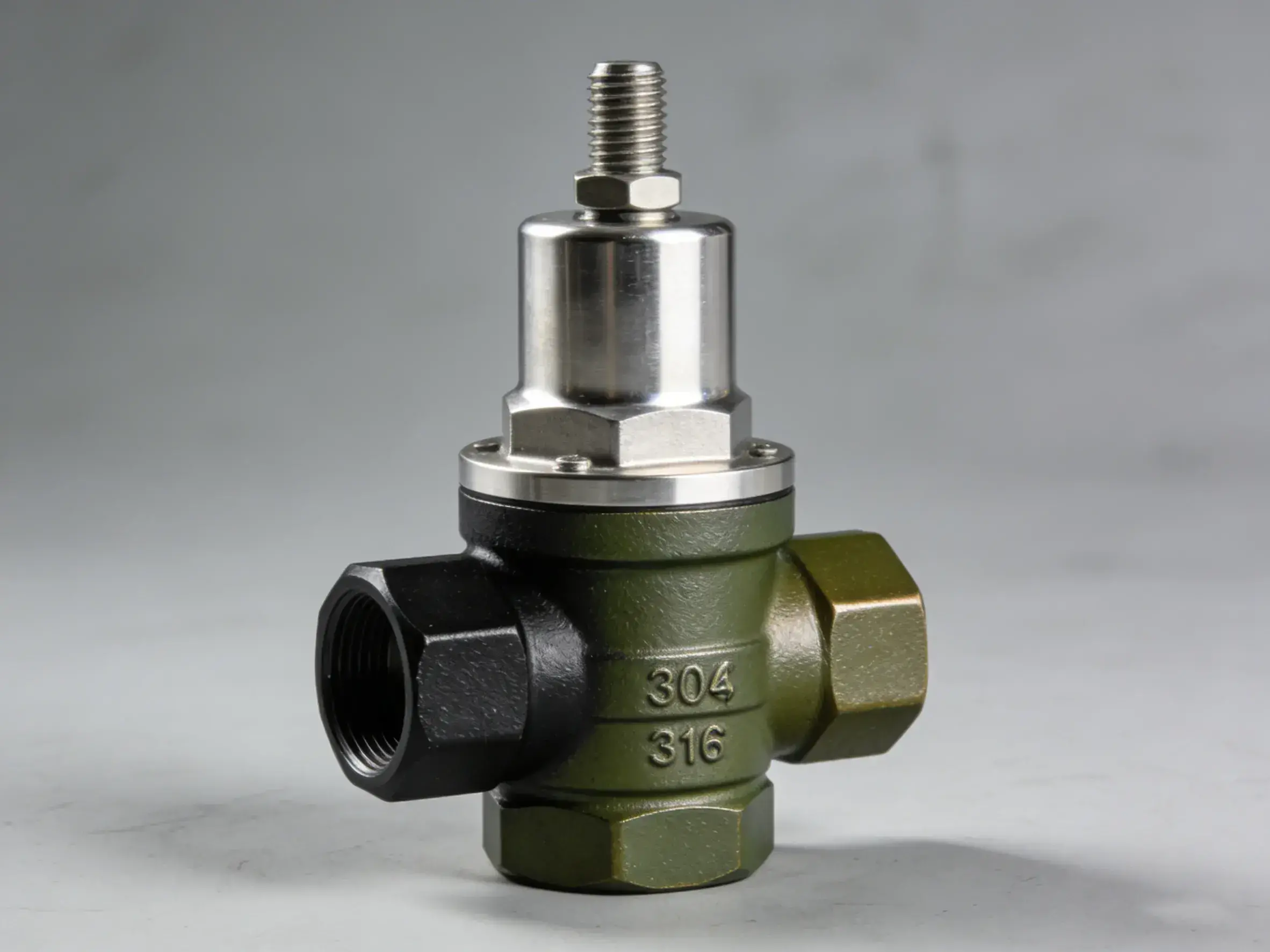
Important industry valve selection enhances operational efficiency plus overall operational success. To ensure smooth functioning, it is crucial to conscientiously choose valves that meet the prerequisites of your application.
A complete valve decision guide shall examine a variety of criteria such as liquid kind, pressure force, heat levels, flow capacity, and control demands. Additionally, recognizing the required valve drive type like pneumatic, hydraulic, or electric is necessary.
Analyzing Butterfly Valve Performance: An In-Depth Review
Identifying key effectiveness indicators for butterfly valves is vital for experts aiming at dependable and efficient system operation. The investigation highlights significant factors shaping butterfly valve performance, such as material qualities, working circumstances, and analytical methods. Via detailed evaluation of those factors, the text seeks to offer an extensive comprehension of influences on butterfly valve effectiveness.
- Construction features decisively dictate full functionality
- Elements forming valve enclosure critically dictate toughness amid assorted utilitarian backgrounds
- Fluid resistance constitutes an important metric analyzing butterfly valve functionality, mainly during elevated flux requirements
The Role of Ball Valves in High-Pressure Systems
Ball valves are recognized as dependable options for controlling intense pressure scenarios. Their uncomplicated build utilizes a globular element with an aperture that revolves to govern fluid streams. This mechanism adequately copes with intense pressure states owing to its reinforced seal.
In fields including energy, ball valves fulfill an essential function in managing intense pressure systems. Their durability makes them ideal for withstanding the stress of high-pressure fluids.
- On top, ball valves employ prompt switching, ensuring effective flow modulation.
- Supplied in varied matter and measures, ball valves personalize to match exclusive needs of diverse boosted pressure sessions.
Comprehending Different Valve Categories and Their Roles
In fluid engineering, valves bear a significant responsibility steering movement of liquids and gases. Selecting the appropriate valve type is paramount to ensure efficient system performance. Valves get sorted by their action mechanism, structure, and practical deployment. Widely used valves involve gate, globe, check, ball, and butterfly selections. Every kind presents peculiar elements, adapting them to dedicated tasks. For instance, gate valves are used for regulating flow completely, while globe valves provide fine control over flow rate. Check valves stop undesirable return flow, securing single-direction transit. Ball valves manifest rapid and reliable toggle operation, while butterfly valves are fruitful for high output applications.
Boosting Flow Handling via Industrial Valves
Handling movement of fluids and gases is significant in numerous operational domains. Industrial valve apparatuses maintain primary responsibilities guiding the flow of fluids and vapors across facilities. Employing suited valve categories along with effective control tactics allows producers to enhance operational productivity, security, and output excellence.
One key factor in optimizing flow control is understanding the diverse applications of industrial valves. Various valve shapes accommodate distinguished flow aspects, stress domains, and service environments. Especially, globe valves continually assist in flow modulation, but ball valves dominate in rapid shut-open procedures.
Securing reliable flux oversight entails examination of considerations like valve size, driving instruments, and control policies. Adopting sophisticated regulation techniques such as programmable logic control supports mechanized flow tracking and tuning, optimizing throughput.
Regular maintenance of industrial valves is crucial to prevent failures and maintain optimal flow control. Pinpointing possible troubles early helps curtail expensive breakdowns and assure fluid operation of crucial methods.
Preservation Procedures for Production Valves
Regular conservation of industrial valves proves fundamental for assuring uninterrupted and stable functioning throughout facilities. A detailed routine must be followed, involving periodic checks to uncover prospective concerns ahead of critical breakdowns. Lubricating valve assemblies based on vendor advice effectively increases longevity while reducing friction. Besides, preserving valve purity by extracting contaminants supports flawless activity.
A full restoration plan should involve meticulous tracking of valve service activities, including times, employees, and parts swapped. Attentive reporting supports following up valve health through time and improves sagacious planning for maintenance cycles.
Automated Control of Valve Systems
Automated advancements have reshaped valve operation techniques in different markets. By implementing automated systems, operators can enhance valve control, minimizing manual intervention and improving overall process efficiency. Electronic valve function presents multiple benefits comprising higher accuracy, curtailed halts, and elevated protection
- Instrumentation holds vital importance in robotic valve configurations, offering continuous feedback on valve condition. Processing units receive this data to autonomously adjust valve operations
- SCADA platforms are regularly utilized to coordinate automated valve functions, supporting complex management algorithms. The technologies observe valve actions, spot irregularities, and carry out reparative interventions
Also, electronic valve regulation provides advanced process oversight. By collecting data on valve performance, operators can gain valuable insights to optimize process efficiency and reduce operational costs
Safety Considerations for Industrial Valve Installations
While installing industrial valves at facilities, rigorous protection procedures are crucial. Ignoring such protective steps may trigger hazardous mishaps, conceivably bringing equipment failure and particularly employee injuries. A careful safety appraisal needs realization ahead of construction to detect potential perils and carry out adequate mitigation steps.
Validate that all team members participating in fitting processes are thoroughly prepared and authorized for valve operations and safety regulation observance. Organize a reliable method of inspection cycles purposed to identify defects or decline in valve components. Manage detailed archives involving all setup, examination, and upkeep procedures to assist future maintenance
- Comply relevant industry standards and regulations governing valve installation and operation
- Utilize appropriate tools and equipment designed for industrial valve installations
- Interact transparently with all contributors addressing the task to affirm safe and productive setup
Valves: Indispensable Units for Industrial Processes
Across the sophisticated segment of fabrication/processing/manufacturing frameworks, valves become fundamental pieces. They function to control fluid movement through intricate networks, maintaining effective operation and security. Valves serve extensively in varied activities, comprising command of temperature variables and pressure parameters coupled with moving items
- Various types of valves exist, each designed to perform specific functions. Some common examples include gate valves, ball valves, and globe valves
- Choosing the right valve relies on criteria like volume, force, heat, and fluid classification
- Robust valve functioning stands vital in industrial environments to deter outages and maintain product excellence
Consistent assessment of valves is necessary for maximizing longevity and minimizing risk of faults
Cutting-Edge Components in Valve Engineering and Production
The advancement in valve engineering and production greatly depends on ongoing investigation of innovative substances. These innovative materials provide diverse enhanced traits over conventional options, allowing designers to devise valves that perform better. Notable samples feature robust ceramic compounds prized for rigidity under severe applications, alongside featherweight metals that boost output while lowering heft. The incorporation of such progressive substances leads to valves featuring superior sealing capabilities, extended durability, and better immunity to degradation
Valve Drive Technologies: A Comparative Investigation
{This investigation delves into the diverse valve actuation mechanisms prevalent in modern engineering applications|This exploration examines the varied valve drive technologies common in contemporary engineering uses|The study analyzes the mixed valve triggering systems typical in current engineering projects|This research evaluates the assorted valve motion methods widespread in advanced engineering scenarios|The survey inspects the multiple valve control techniques existing in up-to-date engineering solutions|This review considers the assorted valve operating mechanisms encountered in present-day engineering environments|This analysis explores the various valve activation systems found Valves in progressive engineering implementations|The inquiry scrutinizes the heterogeneous valve act