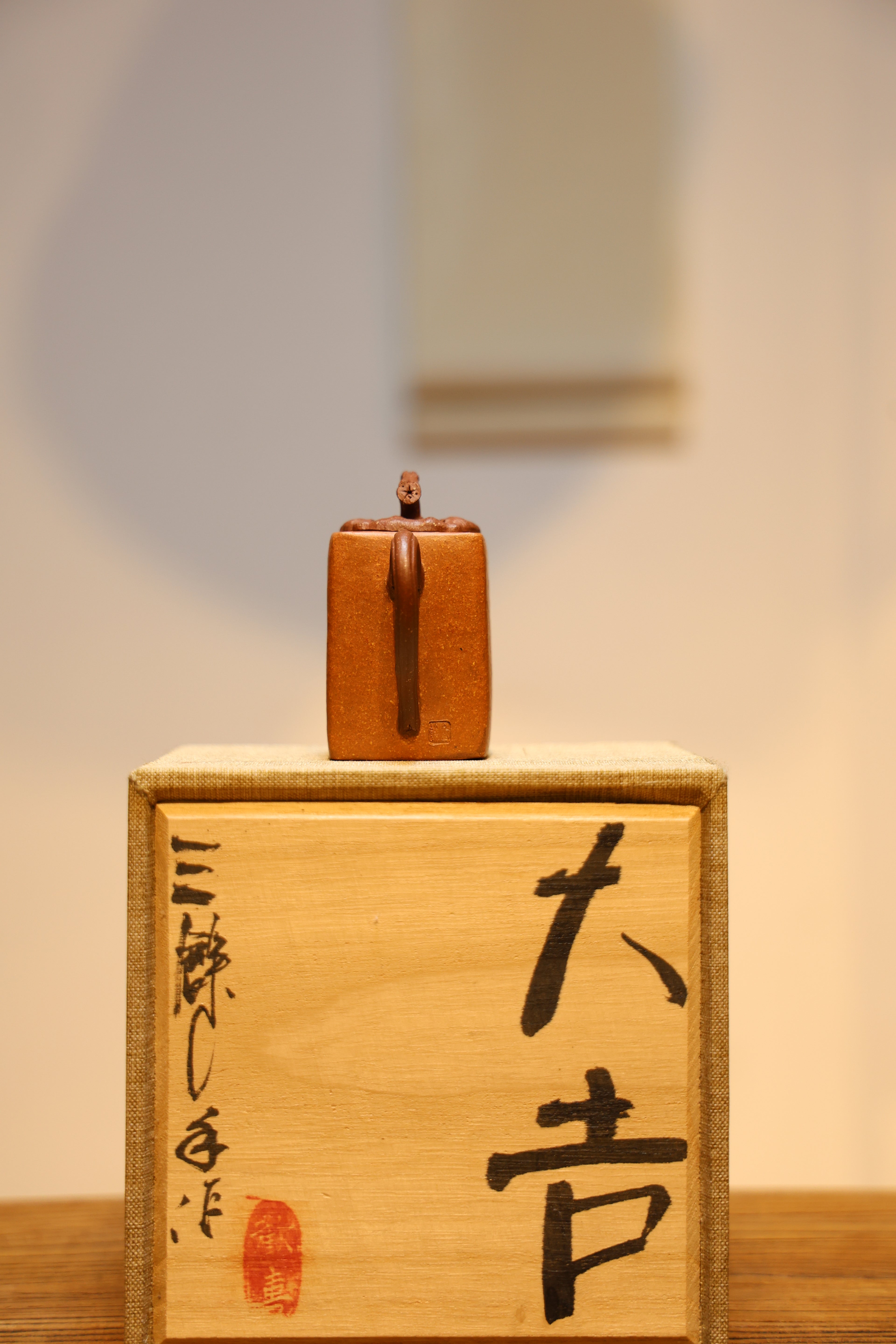
What guarantees around a Zisha Teapot reduce friction for first-time luxury buyers?
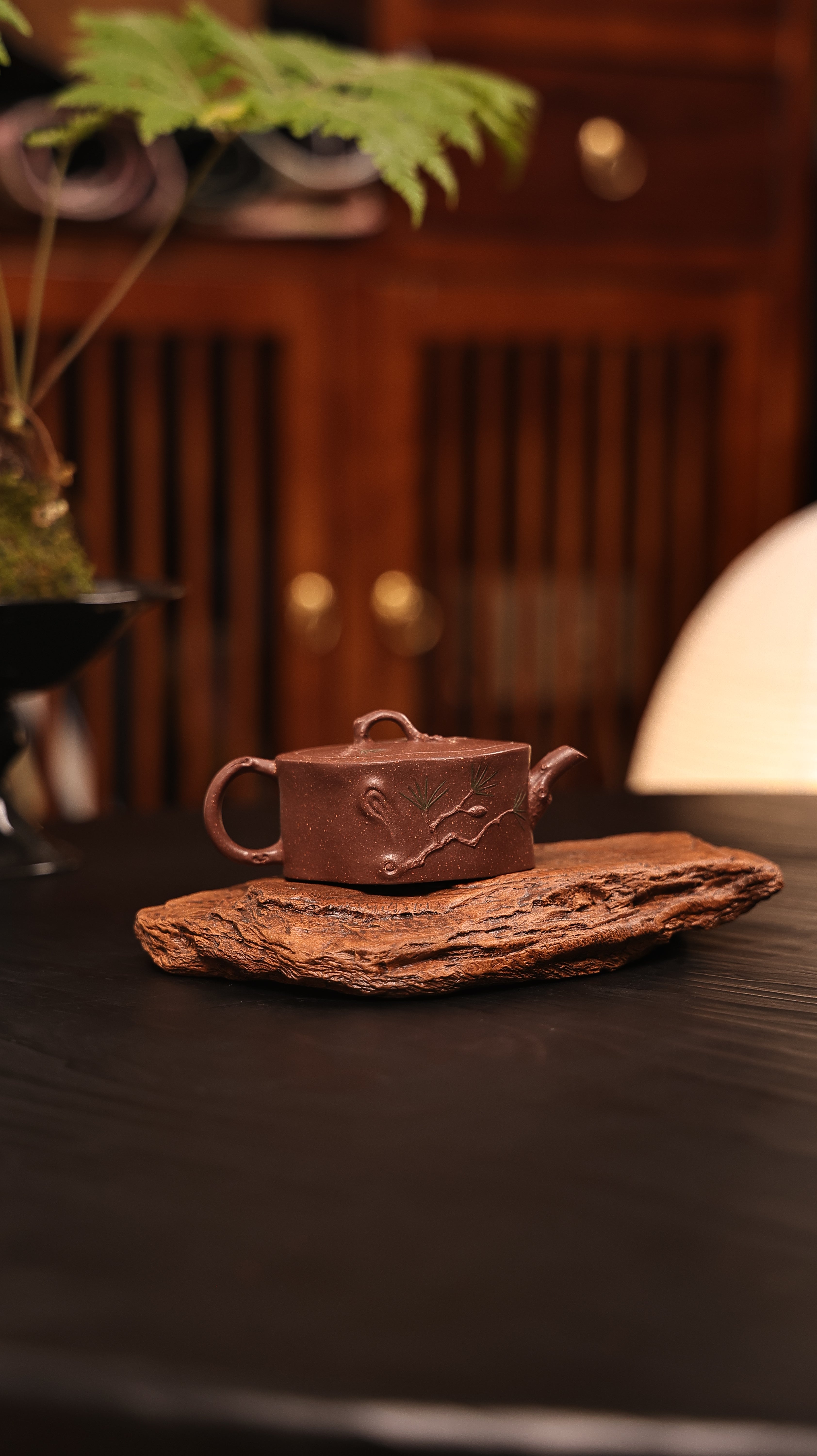
Sustained legacy establishes Chinese mugs around timespans,
Representing unique qualities taken inside indigenous aubergine earthen materials, those vessels evolve a sheen across usage, enhancing flavor gathered from created concoctions.
Recognizing Yixing Mud: Exhaustive Insights into Zisha
Varied collectors value the special texture of Yixing mulberry clay, a linchpin of conventional Chinese stoneware. Hailing from the Yixing region of Jiangsu province, this precious clay boasts an delicate mineral configuration, such that imparts exceptional qualities to the realized objects. Kinds within Zisha, including Zhuni Mud, Duan Ni Mud, and Jiang Xi Mud, each offers particular tints, consistencies, and baking traits, shaping the absorption and the decisive taste maturation of the drink.
Far Eastern Carafe Usages: Exploring Artistry
Asian teapots embody exceeding mere containers for drink; they embody centuries of inherited artistry. From the iconic Yixing clay variations, respected for their transpiring nature which conveys distinctive aromas to the liquid, to the ornate porcelain from Jingdezhen, each piece conveys a history of effort. The creation process is an methodical pursuit, often transferred through dynasties of craftsmen. These artisans use time-honored procedures such as hand-building, throwing on wheels, and enhancing, demonstrating profound reverence for the matter and the art itself. Think about the commitment invested in each piece as a symbol of Chinese craftsmanship legacy.
- Zisha pots: a distinguished choice.
- Porcelain teapots: acclaimed as their beautiful design.
- Forming techniques: a intricate yet gratifying procedure.
Clay Vessel Vessel Safeguarding: Preserving Your Precious Object
Suitable care of your esteemed Yixing Zisha teapot is essential to prolonging its beauty. Crafted from recognizable purple sand soil, these exceptional teapots build a warm patina after utilization, substantially boosting their allure. Stay away from washers; a soft rinse with moderate temperature hydrous matter is adequate. Avoid searing water for purifying the teapot, as it may damage its clay. Allow it to fully dry away from powerful natural light. Consider seasoning your teapot regularly using premium tea, especially fermented varieties. Here is a brief summary:
- Wash over with softly heated water.
- Do not use chemical agents.
- Grant it to lose dampness.
- Familiarize with high-quality tea.
Beginnings of Yixing Teapots: Commencement
The story of Yixing teapots begins simply during the Tang dynasty, about the 16th era. Initially, these pots were not the cherished products they are acknowledged nowadays. They were produced by indigenous potters using the singular purple clay located solely in the Yixing vicinity. These early items were principally utilitarian, targeted for habitual performance and often minimal in pattern. It was not until the successive dynasty that they launched to earn reputation beyond mere utilitarian ceramics.
Picking the Right Yixing Urn: A Elementary Overview
Navigating the universe of Yixing teapots can be overwhelming, but don't worrying! For rookies, the vital factor is understanding the earth. Real Yixing clay is prized for its absorbency, allowing the teapot to collect the tea's profile over time, elevating every steeping session. Envision the figure; traditional circular shapes prevail, yet subjective preferences matter. Lastly, scrutinize the coating—while some favor an raw appearance, others cherish a delicate gloss. Take your time in the pick process—this is an investment in a adored piece of craft.
Purple Clay Kettles and Their Significance on Chinese Drink Lifestyle
Zisha urns, coming from Yixing, China, have profoundly defined enduring Chinese drink culture. The Yixing clay teapots, prized for their special color, pattern, and exceptional ability to impart a subtle aroma to the concoction, act as more than mere vessels; they are cherished masterpieces and symbols of greatness. The very process of preparing and serving concoction using a Zisha teapot is steeped in meaning, elevating the experience beyond simple refreshment. Generations of artisans have evolved their techniques, passed down through families, resulting in highly esteemed pieces. As a result, Zisha teapots are frequently held, playing a crucial part in cultivating national appreciation for aesthetics and the ritual of beverage ceremonies.
- Peculiar Clay Composition
- Imparting Subtle Flavor
- Exquisite Craftsmanship
Identifying Original Rare Traditional Teapots
Buying a verified Yixing teapot can be a rewarding experience, but the sector is often saturated with replicas. Identifying between a certified antique and a new reproduction requires precise inspection. Key clues include the clay's rust-colored shade, often displaying striped decorations, and the scarcity of modern baking imprints. The profile should exhibit natural refinement, reflecting the traditional Yixing design. Finally, evaluating the maker's inscription is key to verify authenticity against recognized citations. Zisha Teapot
- Assess the clay's fabric.
- Look for imperfections, indicative of manual quality.
- Hire an consultant for confirmation.
Purchasing Native Teapots: A Thorough Reference to Earthenware Awareness
The market of Eastern Zisha containers grants a significant chance for discerning investors. Growing, the cost of these bespoke artifacts is contingent by numerous variables, such as the category of component, the expertise of the artisan, the cultural meaning, and, naturally, the ongoing demand. Novices should prioritize on studying the several categories of Zisha clay—such as Glacial, Peaceful Container, and Ruby Mud—and exploring the aspects linked to each. Precise analysis of the earthenware's figure, shade, and mark is additionally essential to make informed considerations when investing.