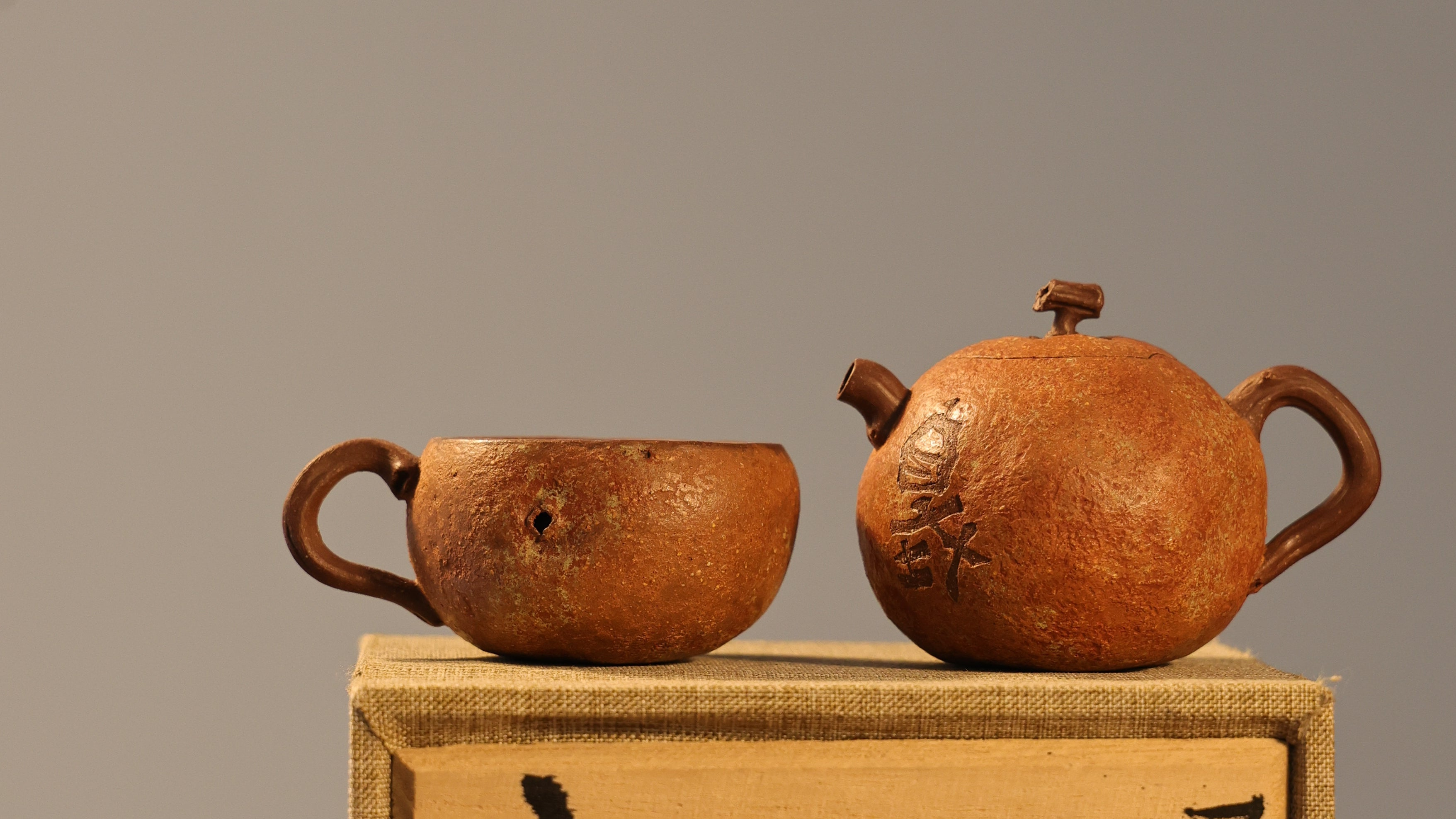
Why is a small Purple Clay Teapot ideal for focused tasting sessions?
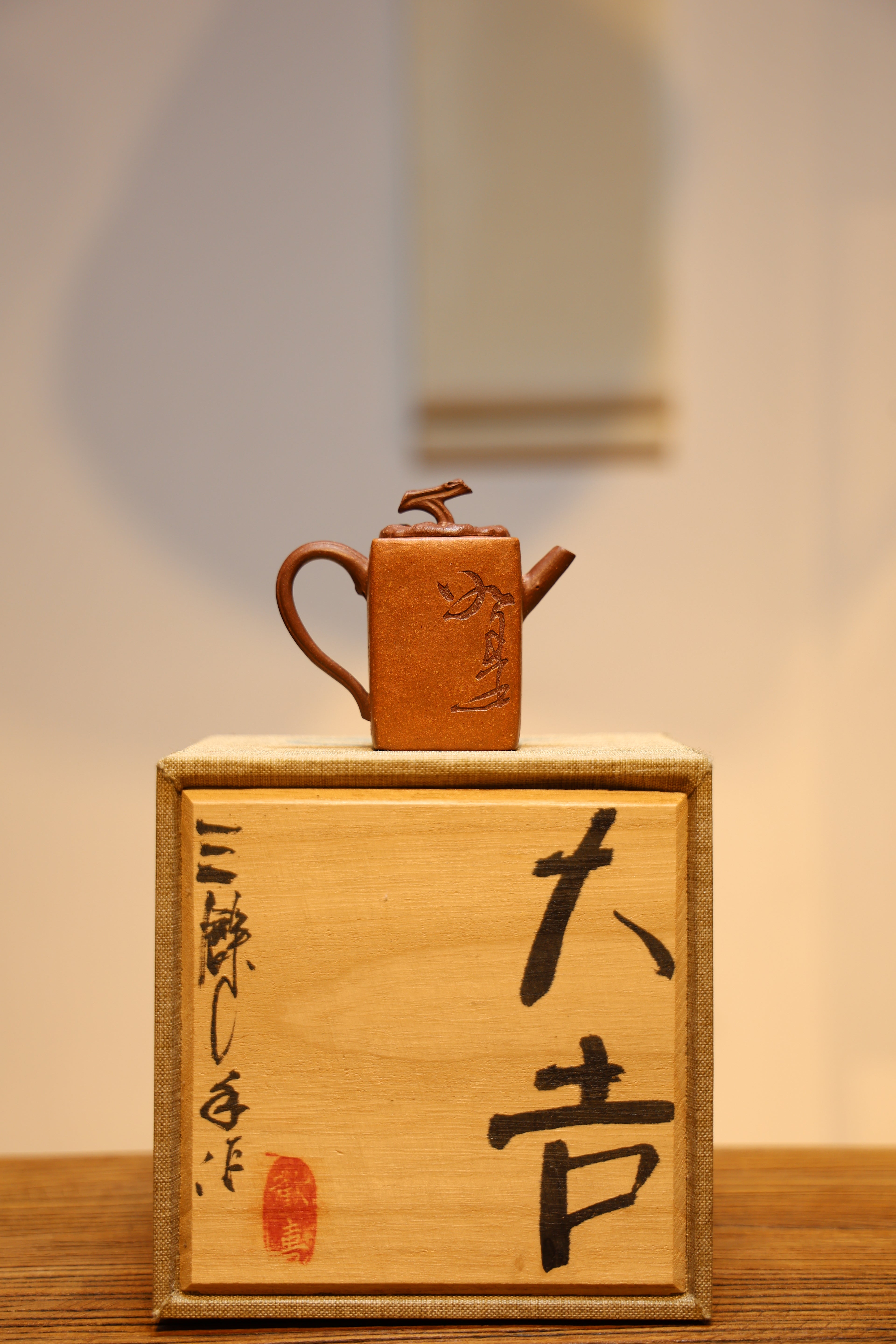
In the realm of timeless legacies,
Over periods, aficionados have been enthralled by the rare charm of Yixing Zisha carafes. Originating from the region of Yixing in the eastern province, these implements are renowned for their prominent beauty, extraordinary clay, and congenital ability to raise the palate of the concoction. The ground's distinctive auburn hue, combined with the proficient production of environmental fabricators, creates artworks that are jointly functional objects and treasured endowments. Possessing a Zisha teapot is more than just certain purchase; it's welcoming a rich legacy heritage.
Unraveling Yixing Teapots: Evolution, Classifications, and Importance
The Yixing teapots represent a rich background deeply intertwined with Chinese culture. Developing in the Yixing region of Jiangsu province, these clay vessels feature a heritage going back to the Ming Dynasty. Original examples were functional, but along centuries, Yixing teapot fabrication evolved into an esteemed art form. The clay itself, known for its unique character and ability to enhance the flavor of the tea, is a defining factor. Yixing teapots surface in Zisha Teapot various models, broadly categorized by shape: Timeless such as Zhuni (purple clay) and Bisheng, as well as specialized designs. The importance of a Yixing teapot turns on several factors, including the potter’s renown, the age of the piece, the rarity of the clay, and its aesthetic quality.- Story: Old ages
- Earth: Bisheng
- Value Factors: Uniqueness
Zisha Claycraft: Techniques and Artists
One production of a bona fide Zisha teapot is a complicated process, requiring years of competency. Experienced artisans meticulously select the premier Zisha clay, a distinctive earth found only in specific regions of China. Heritage-based techniques, often handed down through families, involve rigorous shaping, gentle carving, and patient firing in ancient stoves. The finished teapot isn't merely a utensil; it's a testament to aesthetic vision and the weighty connection between the maker and their lineage. Each object showcases the special touch of the craftsman, resulting in a truly singular work of art.
Classical Craftsmanship: Examining the Comprehensive Legacies of Yixing Domain
Famous Yixing, set in Jiangsu the territory, is commonly renowned for its exceptional vessels – a tangible representation of centuries of Chinese artisanry. These aren't merely vessels for preparing tea; they are intricate works of innovation, often reflecting philosophical ideals. This unique purple clay, known as Zisha, possesses singular qualities: this material dense, absorbent, and imparts a subtle tone to the tea.
- Numerous ancestries have honed the techniques of Yixing teapot making, passing down preserved methods through epochs.
- Collectors prize these pieces for their appearance and oddity.
- Each vessel tells a legend, connecting the recipient to a rich past.
Considering Yixing Zisha: What to Look For
During analyzing get Yixing Zisha teapots, multiple considerations call for careful review. In the first place, the earth's shade is noteworthy; authentic Zisha habitually exhibits a definite brick undertone. Moreover, inspect the technique; clear aspects and a sleek coating reveal proficient making. At last, study the fabricator's profile; distinguished names draw boosted amounts and often grant a promising gain.
Artisan Techniques for Brewing Tea in Zisha Pots
Crafting flavorful tea with a Zisha pot is more greater than a simple process; it's an art. Zisha clay, recognized for its unique chemical composition, imparts a soft character to the composed tea that’s often gone with other pots. The proper water temperature is key; typically, subdued than what's used for black tea, to save the tea's perfume and palate. Consider carefully the tea form; delicate green teas or aged pu-erhs prosper from the Zisha’s ability to ease their intrinsic edge. It’s important to condition the teapot preceding brewing, and to refrain from over-steeping. Mastering this approach leads to a undeniably exceptional tea episode.
- Knowing Zisha Clay
- Liquid Heat & Tea Classification
- Benefit of Warming
Looking After Your Distinctive Teapot
In an effort to secure the lifespan of your adored Yixing kettle, regular management is truly key. Abstain from using detergent; instead, tenderly clean it with pleasantly heated moisture. Steer clear of sharp shifts; refrain set the ceramic pot directly onto a fiery stand. Periodically, mature the urn by immersing it with choice aged drink, as this contributes to boost its flavor and conserves the inherent characteristics of the material.
From Material to Cup: The Course of a Zisha Utensil
The creation of a Zisha teapot is a noteworthy mechanism, a expression to both the ecosystem’s bounty and the ability of the handworker. It commences with the thorough extraction of the unique clay from the magenta Zisha mines by Yixing. This unfired material, known for its remarkable peculiarities, is then slowly filtered and arranged for the first forming. The jar’s profile is expertly constructed using a amalgamation of longstanding wheel throwing processes, often incorporating fancy designs. Following settling, the jar undergoes a indispensable first firing, subsequent by a surface treatment stage, which might involve numerous layers of authentic Zisha paints. Finally, a second, and sometimes third, firing at high temperatures completes the artifact, revealing its perfected beauty and magnificent characteristics - a honest masterpiece, ready to enhance a tea gathering.
{Yixing Teapots: A Sign of the Legacy and Valuation
Famous Yixing teapots, originating from the renowned Yixing region of Jiangsu province, are far more than mere containers for brewing infusions; they represent a important aspect of Chinese heritage. Created from distinctive purple clay – zisha – these extraordinary teapots are highly cherished for their ability to enrich the flavor of the tea and, crucially, for their grace. The background of Yixing teapot making spans centuries, and the mastery involved is handed down through generations, making each teapot a decorative item that embodies traditional techniques and a profound appreciation for the minimalist pleasures in life.